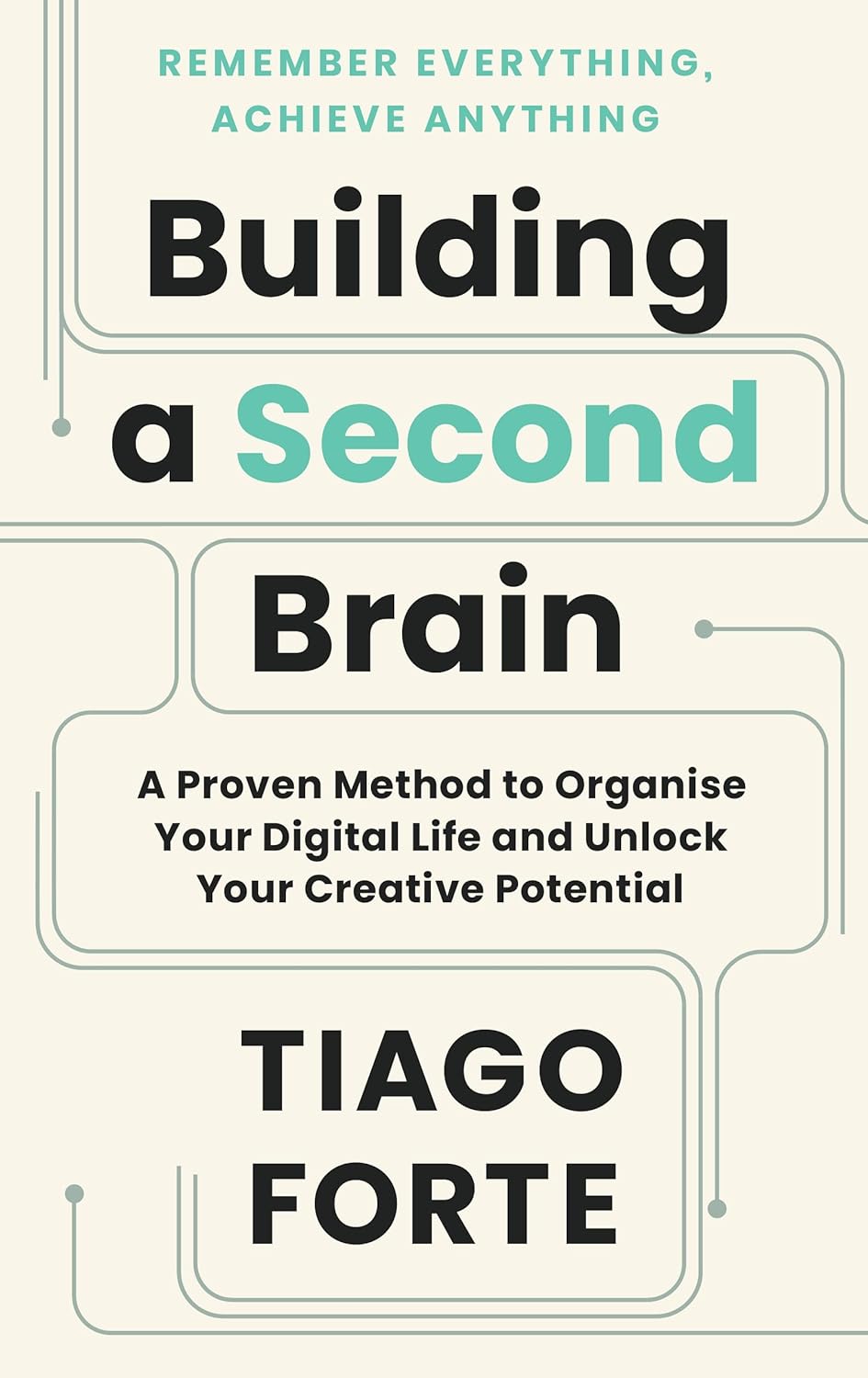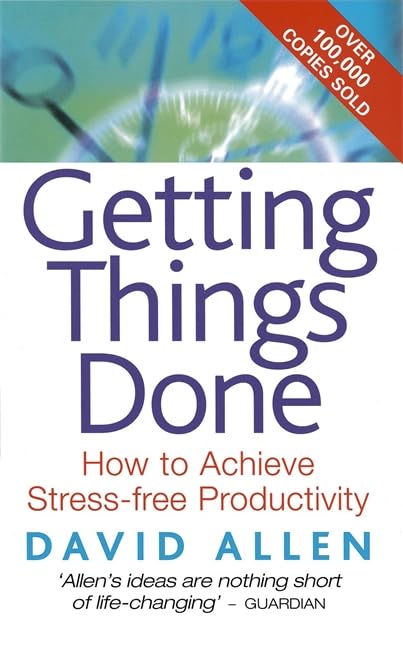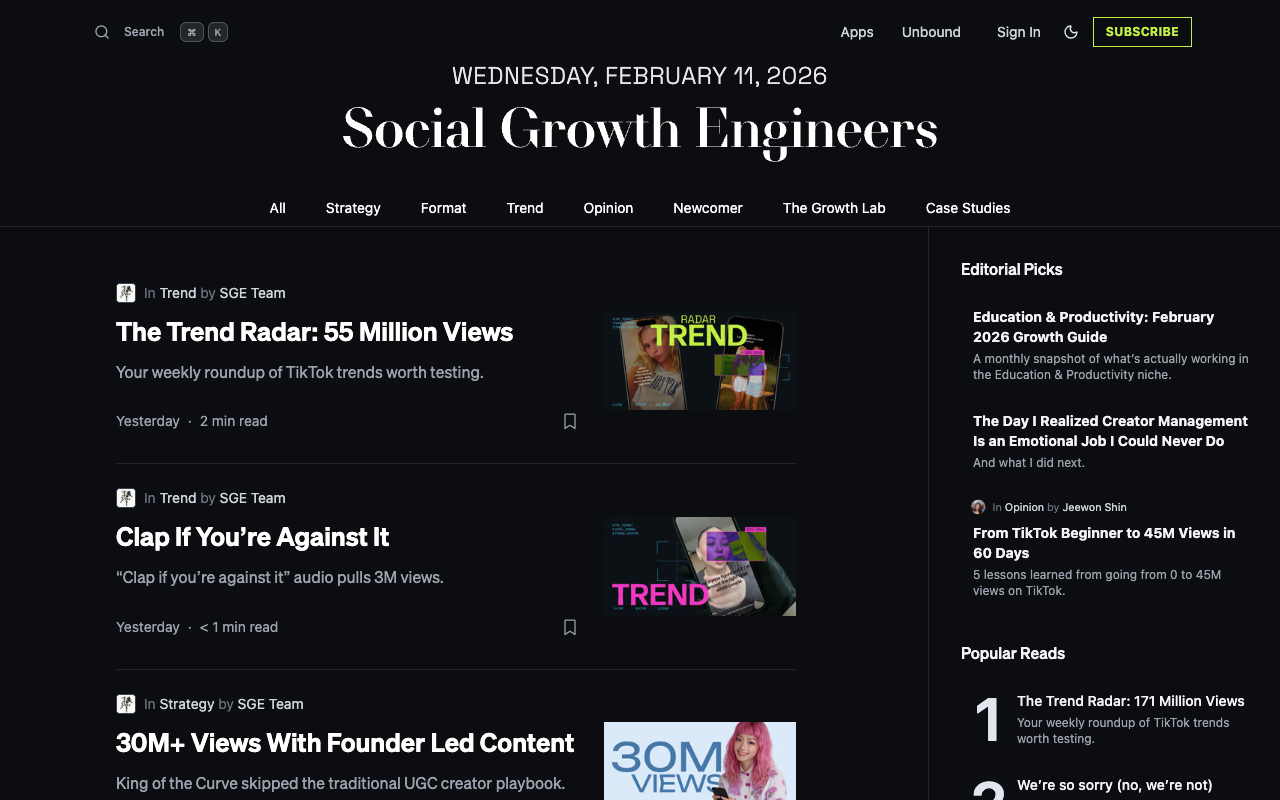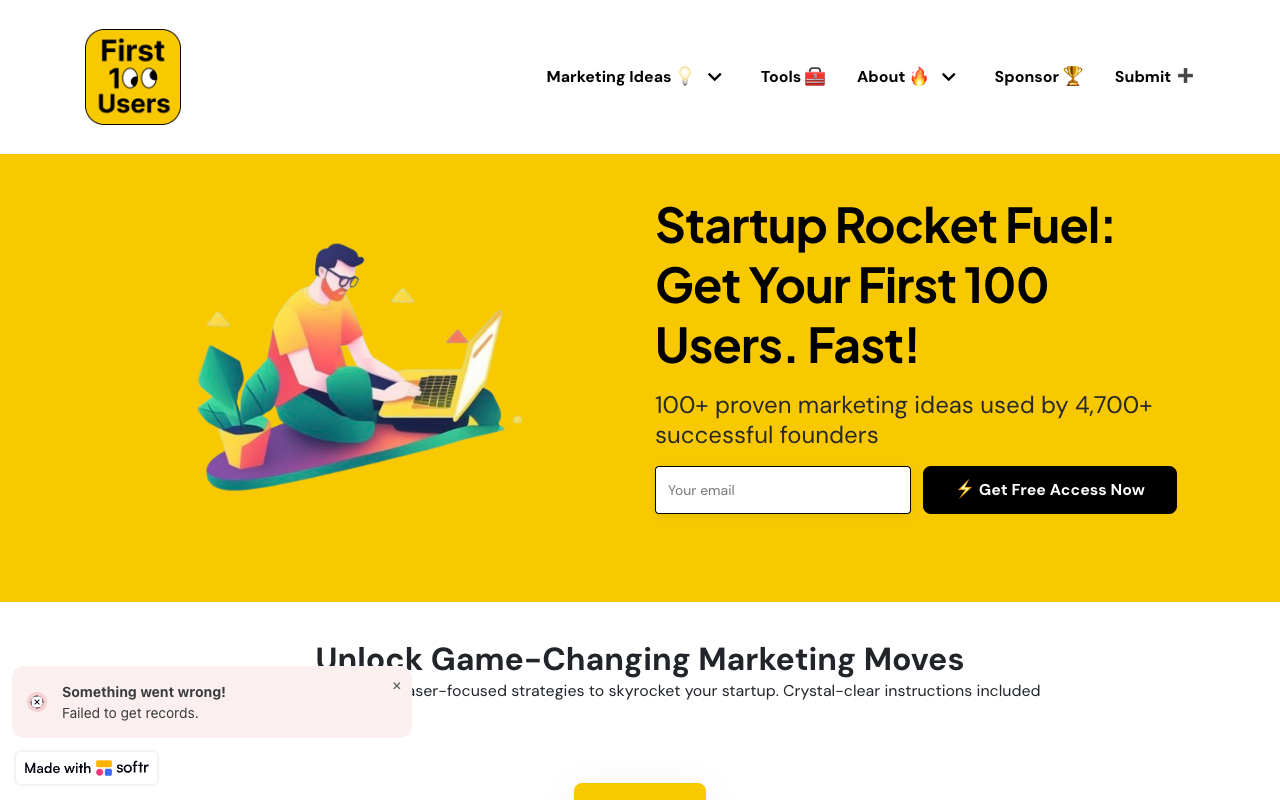

Curated resources and recommendations - from startup tools to learning materials.
Based on personal experience and genuine appreciation.
Also check out my books, movies, and bookmarks.
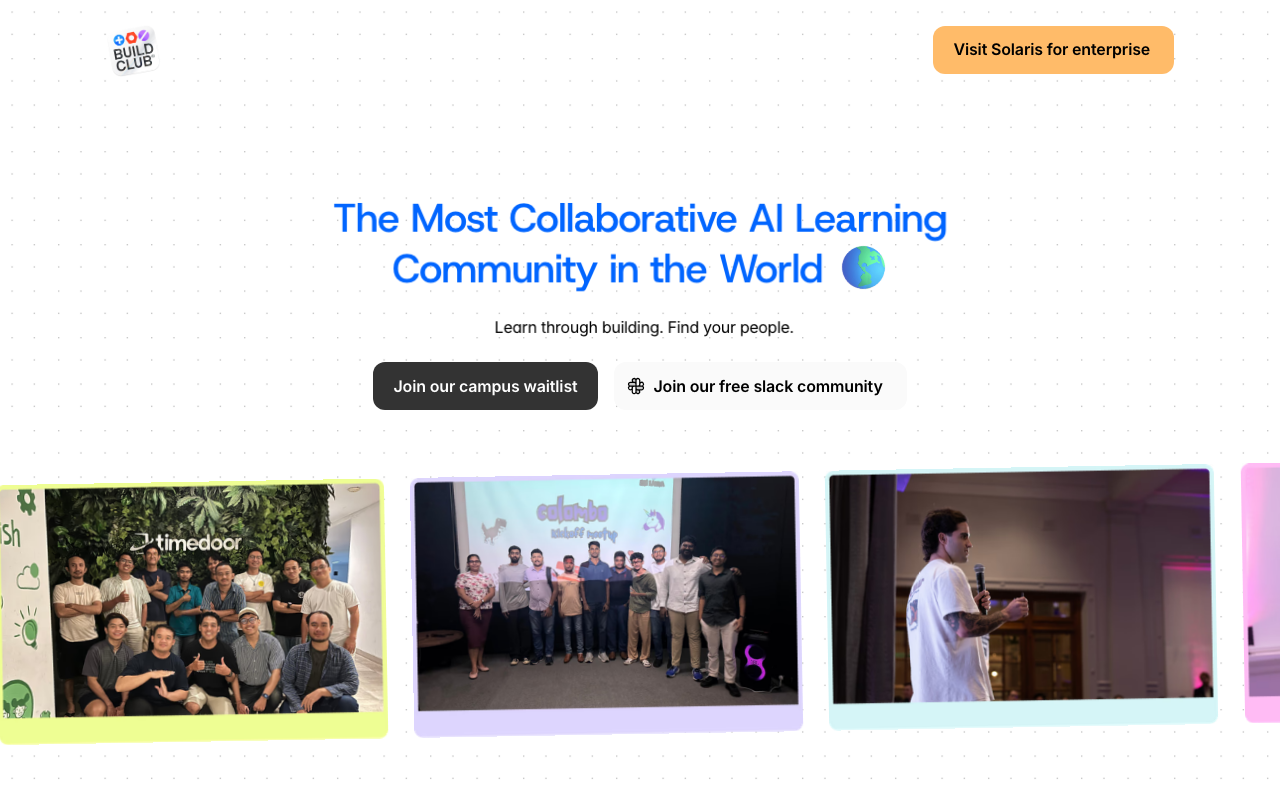
A collaborative AI learning community focused on learning through building, with AI-native courses, role tracks, and certifications. It brings together young professionals, AI evangelists, agencies, and solopreneurs who want to grow their skills with a builder community.
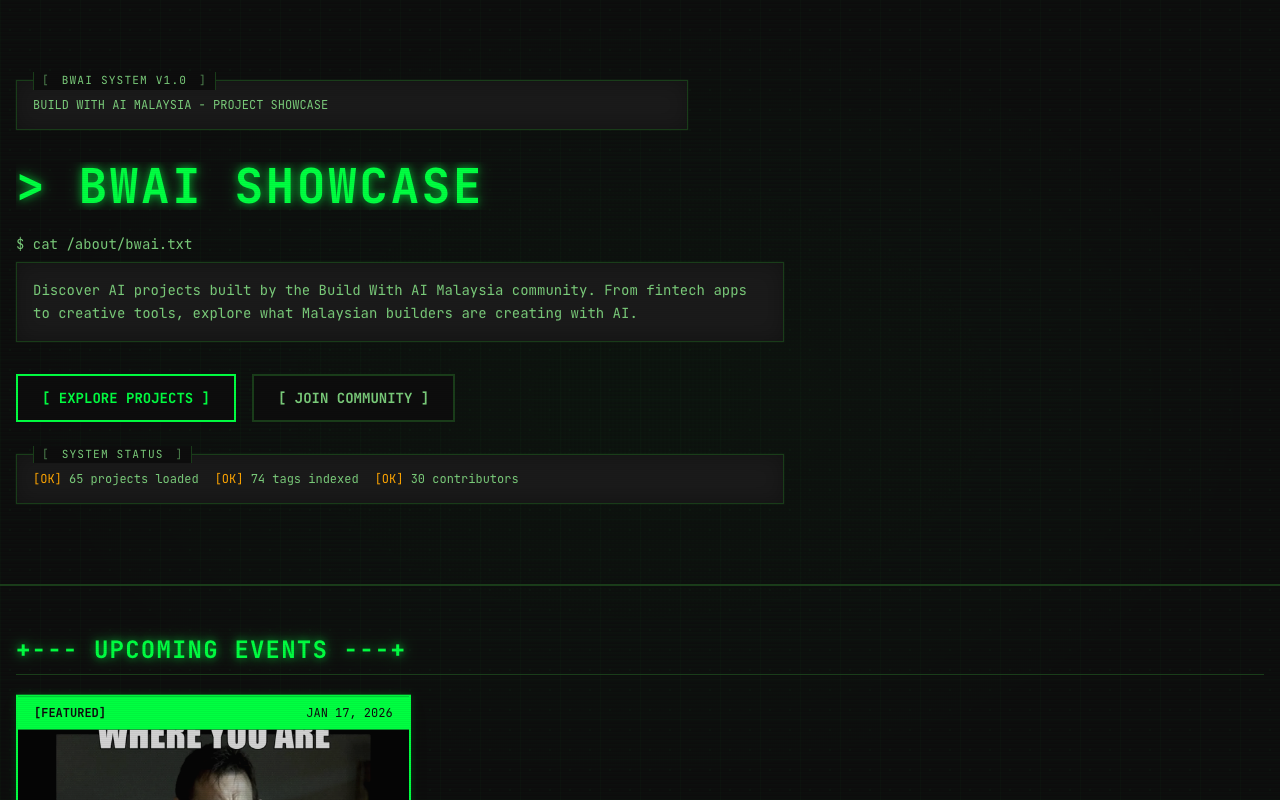
A project showcase for the Build With AI Malaysia community, featuring AI projects built by Malaysian builders across many categories. It helps people discover what locals are creating and invites builders to explore projects or join the community.
A global community of AI engineers and researchers building real systems and sharing unfinished work. It runs local meetups centered on demos, code, and technical insights while connecting builders through a global network.
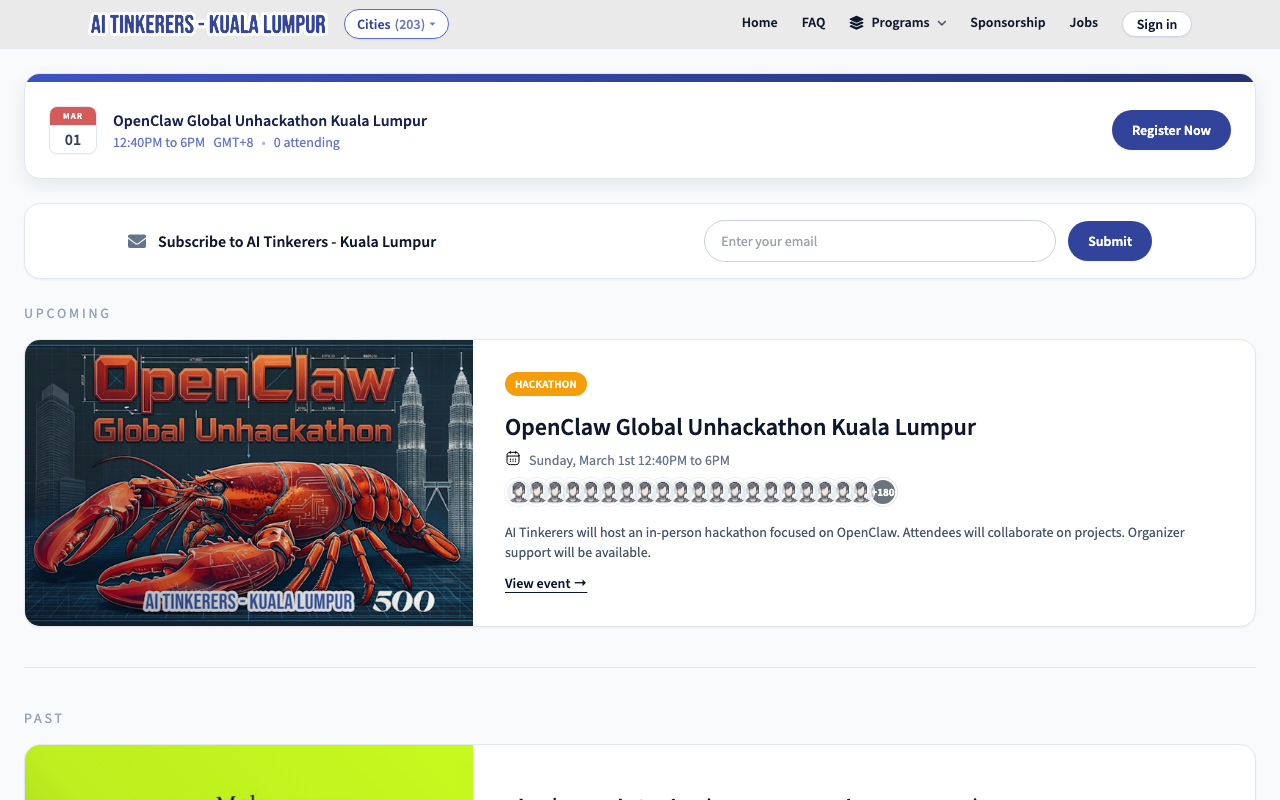
A student-first community that hosts regular builder sessions with project showcases, co-building time, and mentorship. It welcomes coders, designers, entrepreneurs, and curious makers who want to build and learn together.
A Southeast Asia grassroots builder movement and network for people shipping AI that connects local communities into a coalition. They run hackathons, co-build sessions, and sprints while sharing infrastructure for cross-border collaboration.
An organization providing free, hybrid AI programs for ASEAN youth through hands-on workshops and a digital learning platform. Its mission is to equip secondary school students with the skills and confidence for an AI-powered future.
International NPO aiming to close the gender gap in STEM and help women embrace technology. Part of the global Women in Tech movement targeting 5M by 2030.
Formerly Google Developer Student Clubs. Lead a campus tech community with Google's backing and resources. Perks: Google Cloud credits, swag, technical mentorship, networking with Google engineers. Leads can attend Google I/O Extended and DevFest. Solution Challenge is a global hackathon solving UN SDGs. Presence: Very active in Malaysia with chapters at UM, UTM, USM, MMU, APU, Sunway, Monash. Commitment: Volunteer role, 1 year term, students only.
Paid open-source coding program where you contribute to real-world projects mentored by experienced developers. Stipend: $750–$6,600 (varies by project size and country PPP). Small (~90 hrs): $750–$1,650 • Medium (~175 hrs): $1,500–$3,300 • Large (~350 hrs): $3,000–$6,600. Malaysia: ~$1,500–$3,000 for medium projects. Duration: 8–22 weeks, fully remote. Eligibility: 18+, not student-only since 2022. ~10–20% acceptance rate. Payment: Two installments.
Lead an AWS-backed cloud computing club on your campus. One of the more selective student programs globally. Perks: $200 AWS credits + $25 per club member, free AWS certification exam vouchers, QA Learning licence, exclusive swag, resume reviews. Mentorship: Monthly calls with AWS Advocacy team, mentorship from AWS staff. Selectivity: ~87 Captains selected globally per cohort. Alumni have joined AWS as SWEs and Solutions Architects. Commitment: 12 months, students 18+.
No stipend$200 credits + cert vouchers12 monthsStudents (18+)
Anthropic's paid campus program to build AI communities and provide direct product feedback. Stipend: $1,750 for 10-week program, 8 hours/week. Perks: API credits, coaching from Wasserman Next Gen team, direct access to Anthropic research/product/education teams. Role: Host events with Anthropic support, create content, establish AI builder clubs, provide product feedback. Tracks: Campus Ambassador (broader outreach) and Builder Club (technical).
Build a Notion community on campus through workshops, templates, and resources. Perks: Notion swag, event budget, early access to features, direct feedback channel to product team. Top Benefit: Invitation to Make with Notion conference (SF, travel covered for top leaders). Role: Host Notion workshops, create templates/resources, build campus community, provide product feedback. Commitment: 1 year, students only.
Lead design events and workshops on campus with Figma's support. One of the best perks packages for student programs. Perks: Free ticket to Config (~$500+ value), monthly gift card incentives, budget for campus events, exclusive access to Figma leadership. Top performers win all-expenses-paid trip to Figma SF HQ. Role: Organize design events, lead workshops, host multi-campus hackathons. Commitment: 1 year, students only. Past leaders have transitioned to roles at Figma.
No stipendGift cards + Config + HQ trip1 yearStudents only
Represent Perplexity AI on campus with direct access to company leadership including the co-founder. Perks: Free Perplexity Pro account (~$200/year), early access to features, marketing budget for campus events, exclusive merch. Top performers get SF HQ trip. Monthly meetings with Perplexity leadership. Commitment: 2–3 hours/month minimum, semester term. Max 3 strategists per campus. Past strategists have converted to full-time roles.
No stipendPro account + budget + merchSemesterStudents only
GitHub's flagship student leadership program with one of the strongest alumni networks in tech. Perks: Event reimbursement budget, exclusive red hoodie and swag kit, GitHub Education Discord (~230 experts globally). Top Benefit: Travel funding to GitHub Universe, speaking opportunities. Extras: Monthly webinars from GitHub engineers, community leadership training. Eligibility: GitHub account 6+ months, Student Developer Pack verified. Until graduation. Applications: Open February and August.
No stipendEvent reimbursement + travel + swagUntil graduationStudents (18+)
One of the largest student tech programs with ~2,800+ members in 101+ countries. Milestone-based progression system. Levels: New → Alpha → Beta → Gold. Alpha Perks: $150/month Azure credits (~$1,800/year), Visual Studio Enterprise, Microsoft 365, LinkedIn Learning, free domain, certification vouchers. Beta Perks: Swag box and Summit access. Gold Perks: MVP mentorship pathway. Eligibility: Students 16+, ongoing commitment.
No stipend$150/mo Azure + VS Enterprise + certsOngoingStudents (16+)
Coming soon. Student-led program bringing Lovable to universities through meetups, hackathons, and more. Status: Coming soon — details not yet announced. Format: Student-led meetups, hackathons, and community events at universities.
Google's most prestigious external developer recognition. Referral-only with ~1,400+ members globally. Perks: Sponsored travel to Google I/O, DevFest, and conferences worldwide, early access to Google products, featured in GDE directory, insight calls with product teams. Categories: Android, Cloud, ML/AI, Web, Firebase, Flutter, Angular. Eligibility: Must be referred by existing GDE or Googler. Term: 1 year (renewable).
Nomination-only elite program with ~4,000 MVPs across 90+ countries. The gold standard for Microsoft ecosystem expertise. Perks: Visual Studio Enterprise, Azure credits, GitHub Copilot, Office 365, LinkedIn Learning, early NDA product access, executive recognition letter + trophy. Top Benefit: Annual MVP Summit at Microsoft HQ (travel supported). Categories: 11 award areas including Azure, AI, Developer Technologies. Eligibility: Nomination only, 1 year term.
The most prestigious AWS recognition. Extremely selective with small quarterly cohorts. Cannot self-nominate. Perks: Exclusive access to AWS resources/experts/events, speaking at re:Invent and Summits, direct connection to product teams. Categories: Community, Container, Data, DevTools, IoT, ML, Serverless, Security. Eligibility: AWS-nominated only, ongoing term.
Nomination-only program recognizing outstanding community leaders. Anyone can nominate, but you cannot self-nominate. Perks: Early access to GitHub features, exclusive insight calls with GitHub HQ, featured on stars.github.com, social media recognition, exclusive swag. Extras: Continued education opportunities. Term: 1 year, annual renewal subject to GitHub review.
Tier 1: EliteNomination onlyEarly access + recognition1 year
Docker's expert community program for deep container ecosystem contributors. Perks: Early/beta access to Docker products, education budget, private Slack with Captains + Docker staff, biweekly briefings, Docker Pro discounts. Top Benefit: Annual Docker Captains event, speaking at DockerCon. Eligibility: Application or referral. Requires deep Docker expertise + 5,000+ monthly content views OR Docker team endorsement. Term: 1 year.
Tier 2: ExpertApplication/referralBeta + training budget1 year
Official ambassador for the Cloud Native Computing Foundation. One of the best-compensated non-paid ambassador programs. Stipend: $150/month reimbursement for hosting meetups/events. Perks: Free access to ALL Linux Foundation certifications (CKA, CKAD, CKS — worth $1,000s), KubeCon event discounts, professional speaking coaching. Community: Global network of ~140 ambassadors. Eligibility: 20+ DevStats score or 1+ year community leadership. Applications reopen 2026. Term: 2 years.
Tier 2: ExpertApplication$150/mo + free certs2 years
AWS's accessible expert program for active community contributors. More achievable than AWS Hero. Perks: $500 AWS credits annually, 100% certification exam vouchers (all levels), 1 year free QA subscription, publishing on community.aws. Access: Exclusive Slack with AWS service teams, NDA webinars previewing new services, beta access, CFP opportunities at AWS events. Applications: Open ~first week of January for ~2 weeks. Term: 1 year.
Tier 2: ExpertApplication$500 credits + cert vouchers1 year
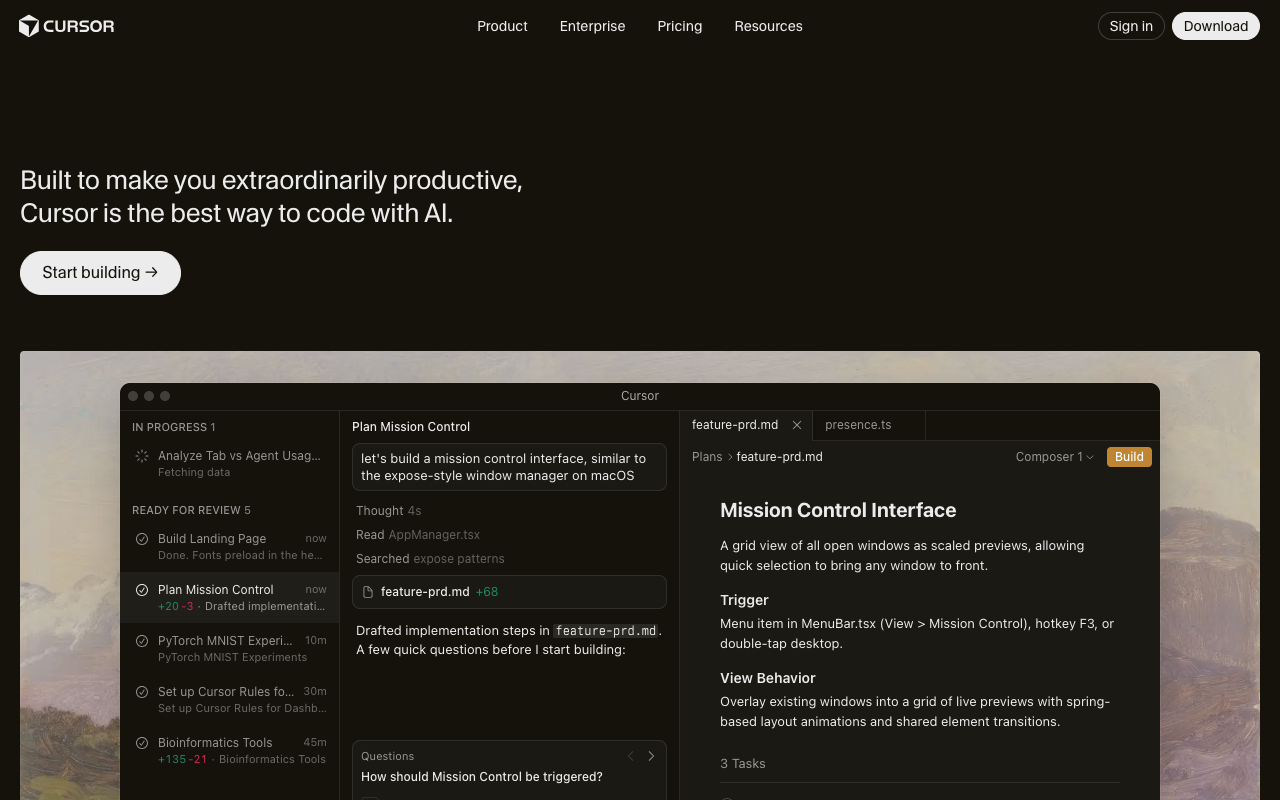
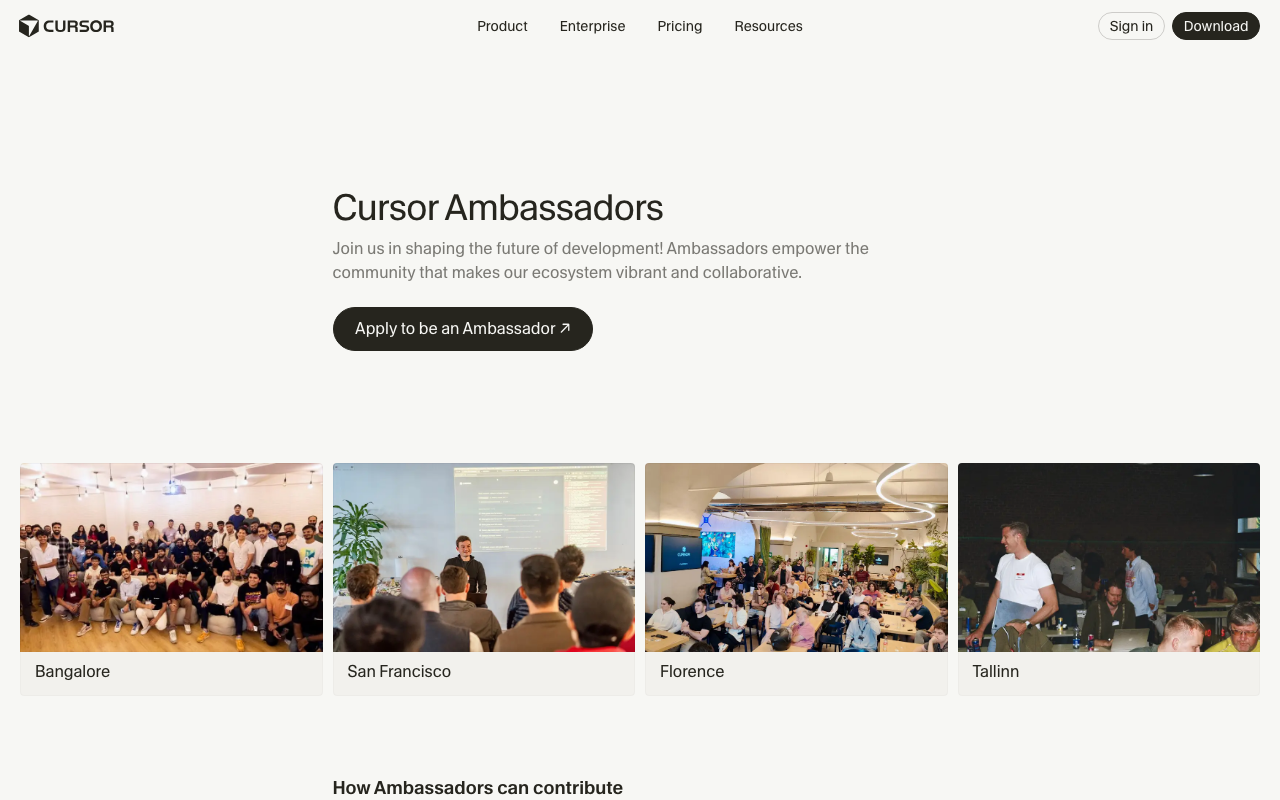
Intentionally small program with unusually direct access to the development team. Perks: Special badge in Cursor forum, funding for community meetups, early access to features and product direction. Top Benefit: Direct daily contact with Cursor development team. Role: Help troubleshoot users, host meetups/hackathons, share expertise, provide product feedback, moderate community. Term: Ongoing.
Tier 2: ExpertApplicationFunding + early accessOngoing
Global community of builders at the heart of Lovable, the AI app builder valued at $6.6B. Currently waitlist-based. Perks: Exclusive access to early product drops, private workshops with Lovable team, and special perks. Role: Help shape the future of software creation. Eligibility: Waitlist-based, ongoing term.
100+ free dev tools including Copilot Pro, JetBrains IDEs, Azure credits, free domains, and more. The essential starting point for any student developer. Worth $1,000s in total value.
12 months of Google AI Pro free — includes Gemini 2.5 Pro, Deep Research, NotebookLM Plus, and 2TB storage. Sign up by April 30, 2026 via SheerID verification. Available in 120+ countries including Malaysia.
1 year of Cursor Pro free. 500 fast premium requests/month, access to GPT-4o, Claude, Gemini models, multi-file editing, AI chat. Launched May 2025, available worldwide.
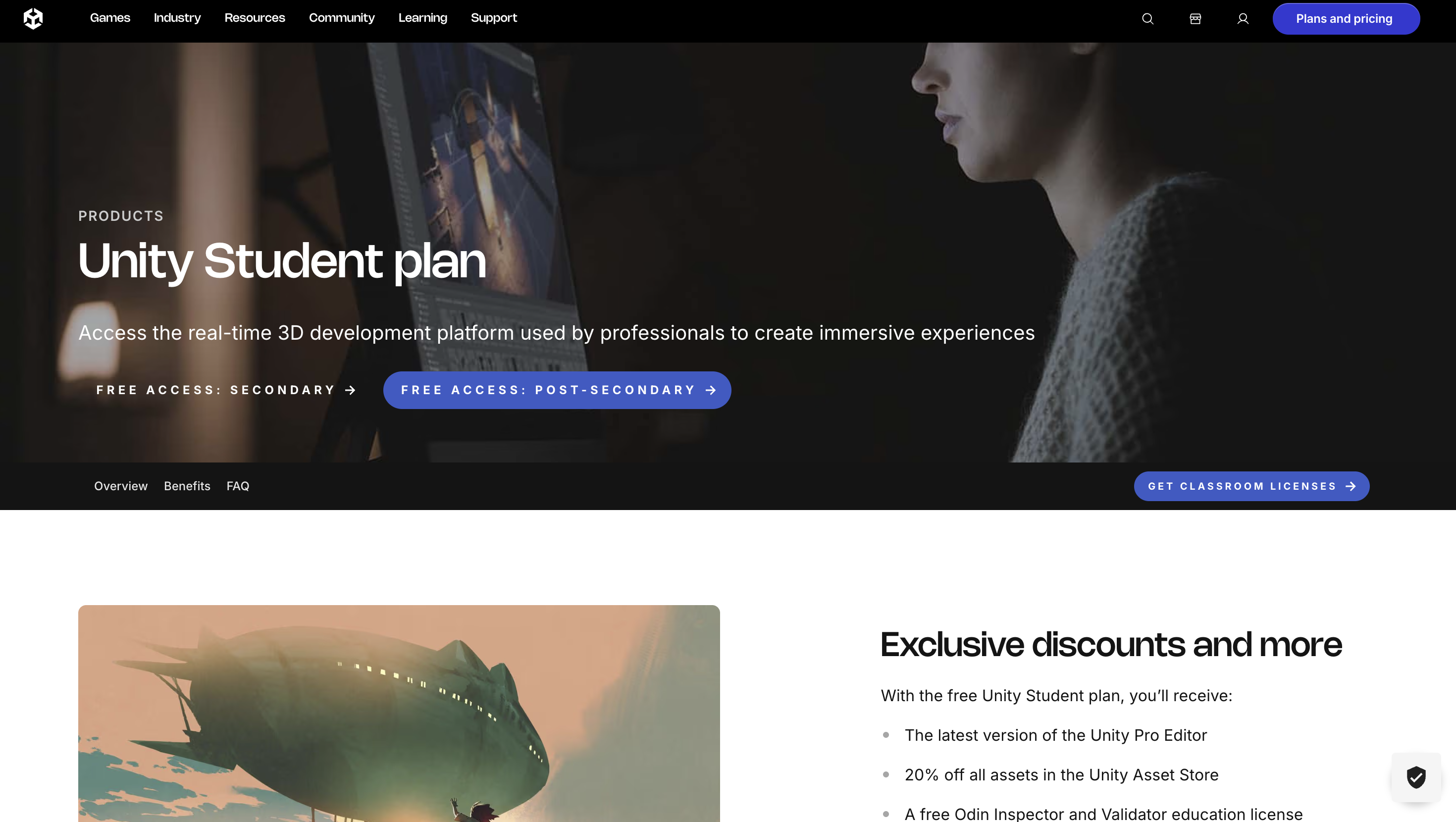
Free Unity Pro access (normally $2,040/year). Full game engine, real-time rendering, multiplayer features. 1-year license, renewable annually while a student.
The most prestigious accelerator. $125k for 7% equity + $375k MFN SAFE. 3-month program in SF, Demo Day to top investors. Alumni include Airbnb, Stripe, Dropbox, Coinbase.
Malaysia's early-stage startup funder under MOF. CIP Spark: up to RM150k conditional grant for pre-commercialization (individuals & companies). CIP Sprint: up to RM600k for commercialization (companies only). Both up to 18 months.
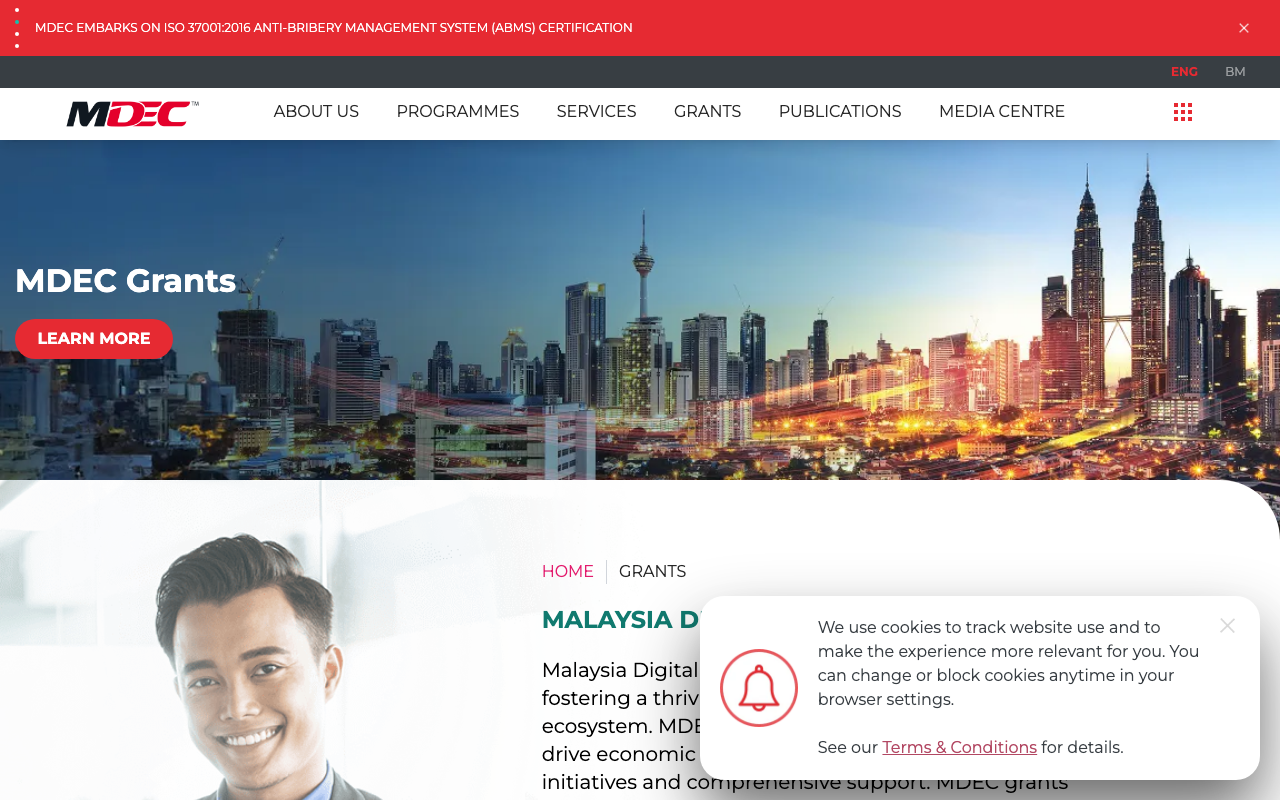
Malaysia Digital Economy Corporation grants including Digital Content Grant, Digital Catalyst Grant, Digital Export Grant, and Digital Acceleration Grant for digital businesses.
Malaysian Technology Development Corporation. CRDF grant up to RM500k (70% of eligible expenses) for commercialization. Also offers National Technology & Innovation Sandbox and Dana MyST for seed to Series A.
Government investment company established in 2009 supporting Series A to Growth stage companies in high-value and high-tech industries via equity investment.
Nanotechnology commercialization under MOSTI. Programs include NESTI (Energy Storage), REVOLUTIoNT (4IR), and Hydrogen EcoNanoMY for pre-seed nanotech startups.
Official collegiate hackathon league with 200+ hackathons per season. 150,000+ hackers, 12,500+ projects yearly. Events include Hack the North, HackMIT, PennApps, TreeHacks. Prizes vary per event — internships, tech gadgets, credits, swag, cash.
"Olympics of Student Innovation". Two paths: Launch ($50k, early-stage) and Scale ($100k + mentorship with Satya Nadella). Must use 2+ Microsoft AI services. Teams of 1-4 students. $1,000-$5,000 Azure credits included. World Championship at Microsoft Build.
"Nobel Prize for Students" — world's largest student social entrepreneurship competition. Year-long program: Qualifiers → Nationals → Digital Incubator (60 teams) → Global Accelerator at Ashridge House, London (20 teams) → Finals (6 teams). ~10% equity to Hult Foundation.
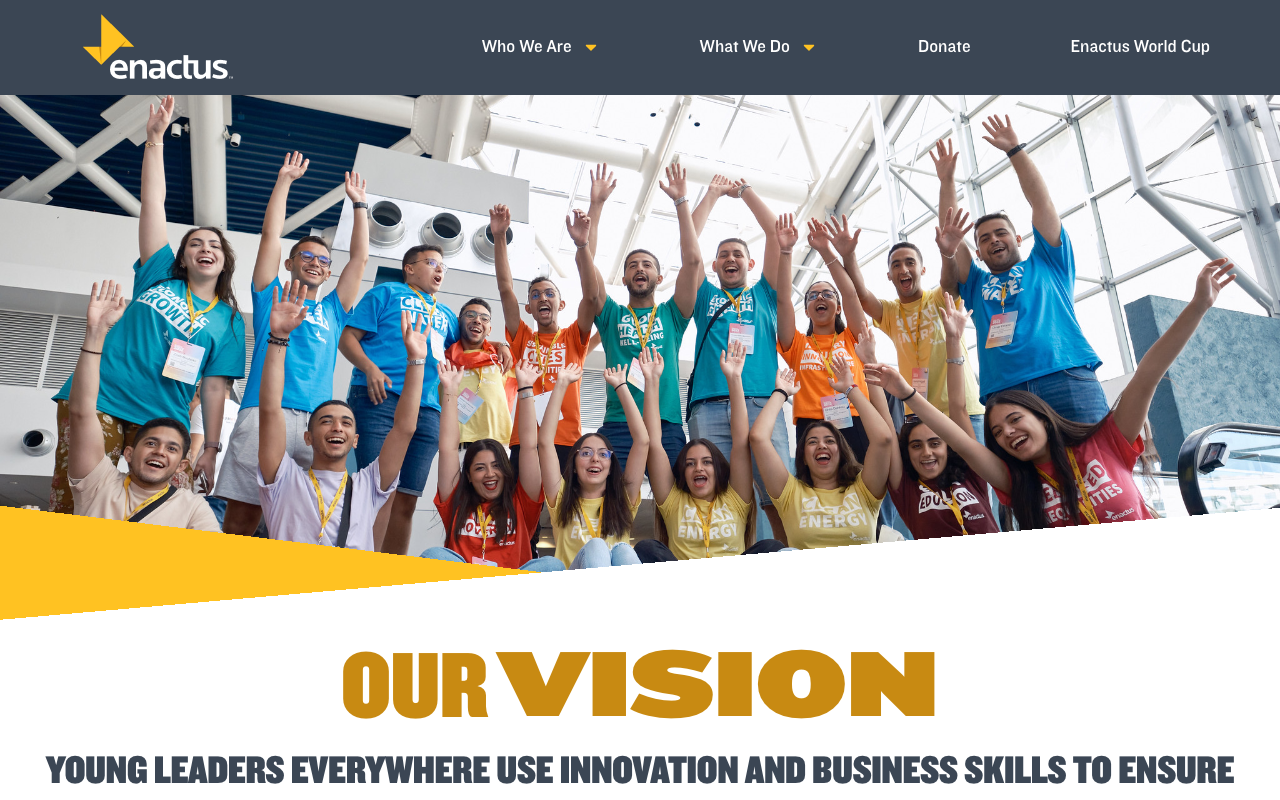
University teams from 34+ countries build social entrepreneurship ventures. National competitions → World Cup (2026 in São Paulo). 42,000+ students participate annually. Enactus Malaysia chapter exists.
Global Student Entrepreneur Awards for students who already own and operate a business while enrolled. Local (100+ cities) → Regional → Global Finals. Winners get EO network access, featured in YouTube series (10M+ views).
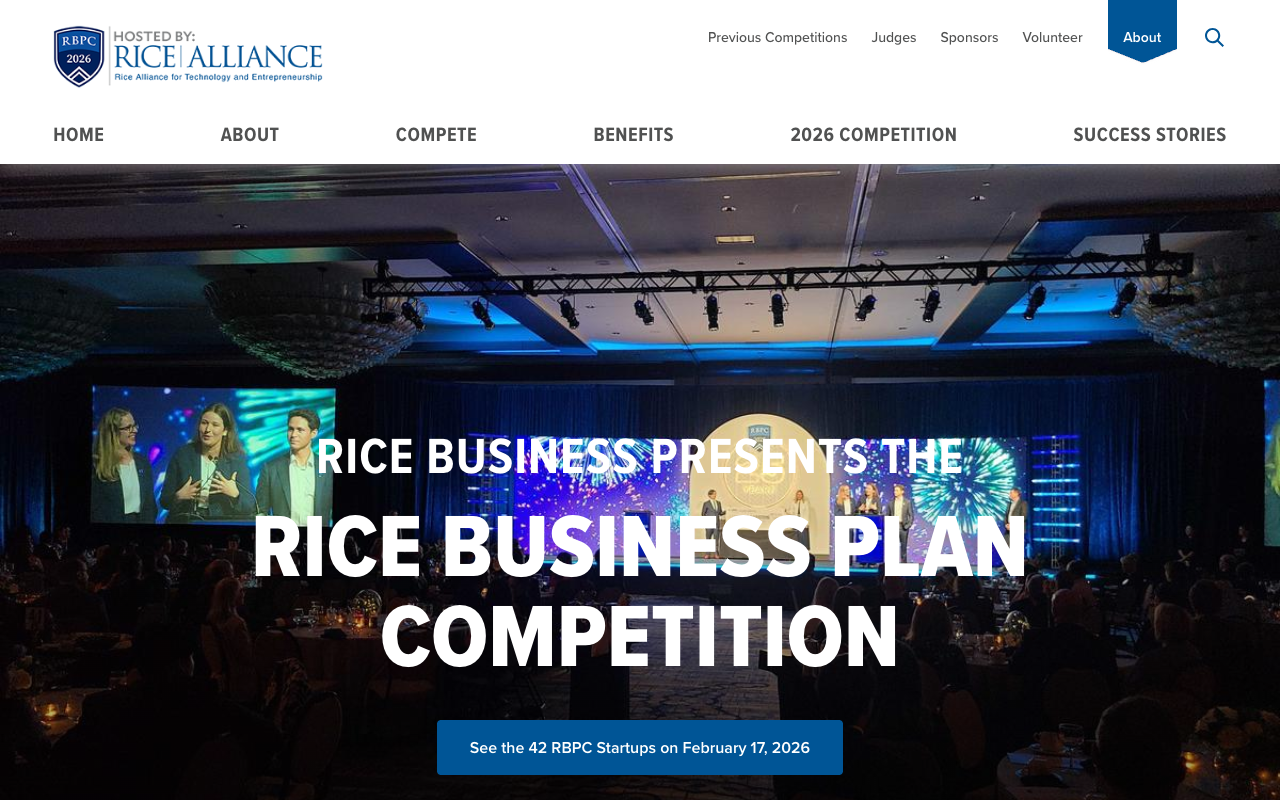
World's largest and richest student startup competition. 42 teams judged by actual early-stage investors. Over $1,000,000 in cash, investments, and in-kind prizes.
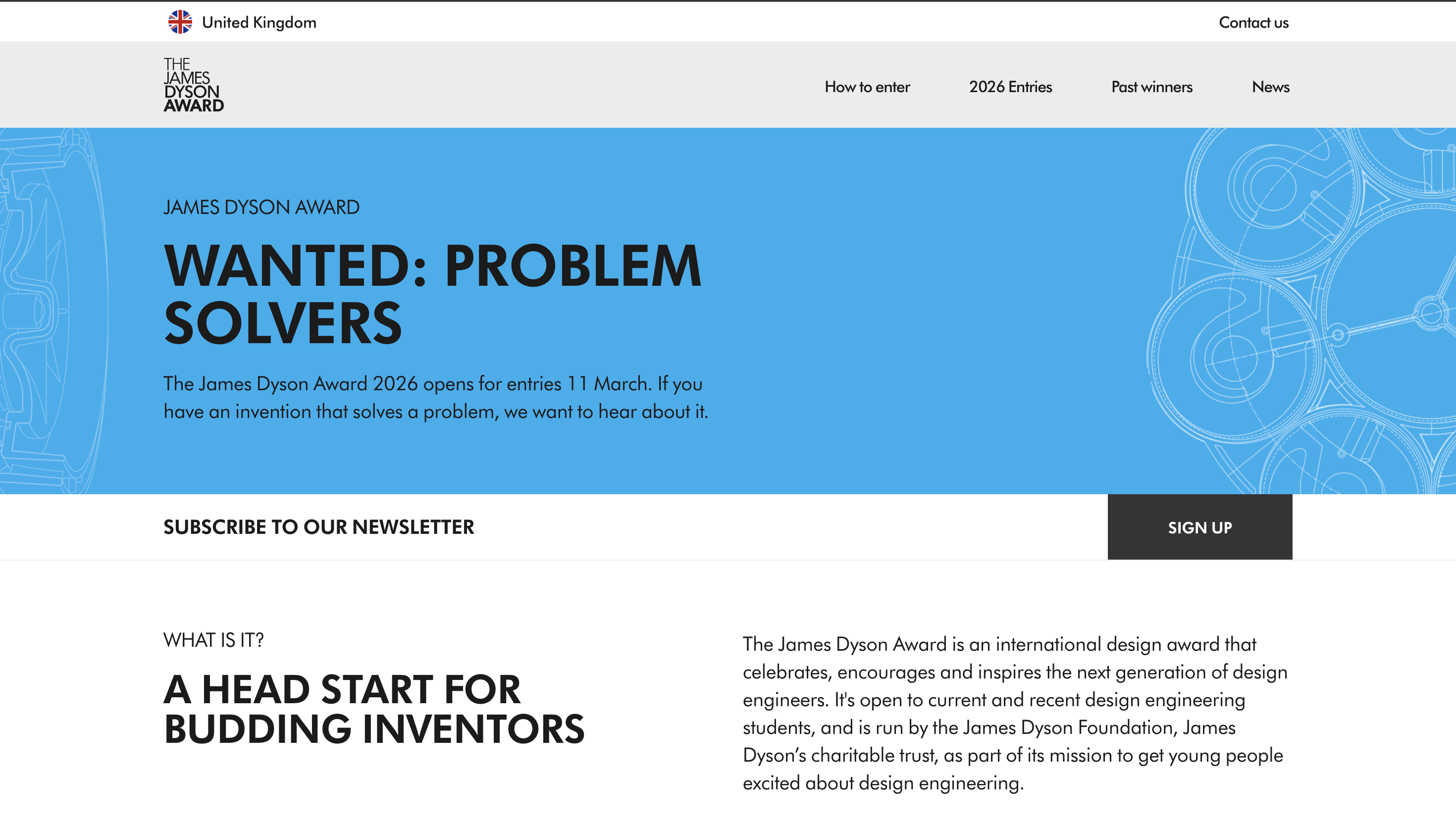
"Design something that solves a problem". 28 countries, 2,100+ entries annually. National: £5,000, Global winner: £30,000 (~$38K) + media exposure. Opens March 11, 2026. For current or recent (within 4 years) engineering/design students.
World's largest annual global hackathon — 551 events across 150+ countries. 48-hour hackathon using NASA's open data to solve Earth & space challenges. 15,000+ teams in 2025. Winners get NASA recognition and visits to NASA centers. Open to everyone.
Meta's annual worldwide programming competition. Online rounds → World Finals at Meta HQ. Tests algorithmic problem-solving skills. Cash prizes for top finishers.
Malaysia's largest AI competition for youth (ages 14-19). Ministry of Education approved, Minister of Digital attended 2025 finale. 3 tracks: AI Art, AI Innovation, AI Technical. 2,500+ participants, 600+ submissions. Teams of 4, Form 3 to Pre-U students.
National hackathon by PEKOM & Faculty of CS&IT at Universiti Malaya. Focus: Data Science & Machine Learning. Up to RM52,000 across three domains. Open to all undergraduates from public/private universities. Annual in April.
Malaysia's first university startup accelerator. Equity-free, no-strings-attached, 3+2 month program. Supported by Ministry of Higher Education. Partners: MRANTI, CARSOME, The Hive SEA, Ficus Capital. At least 50% of team must be active students at any Malaysian HEI. Applications April-September.
Nationwide hackathon by all GDG on Campus chapters in Malaysia. 3-month program: workshops across 7+ universities → Top 10 DemoDay. Focus: AI + Google technologies solving UN SDG challenges. Prep for Google's global Solution Challenge. Annual Jan-April.
National → Regional → Global Final in Shenzhen. 210,000+ students globally across 100+ countries. Tracks: Network, Cloud, Computing (Practice & Innovation). Prizes include cash, certifications, and trip to Shenzhen.
One of the world's largest data challenges — 45,000+ participants across 146 countries. 2026 theme: AI models to forecast water quality. Annual competition.
Regional chapter of global Startup World Cup (60+ countries). Winner represents Malaysia at Grand Finale in San Francisco for USD $1,000,000 investment. 2025: KL + Kuching chapters + ASEAN Chapter.
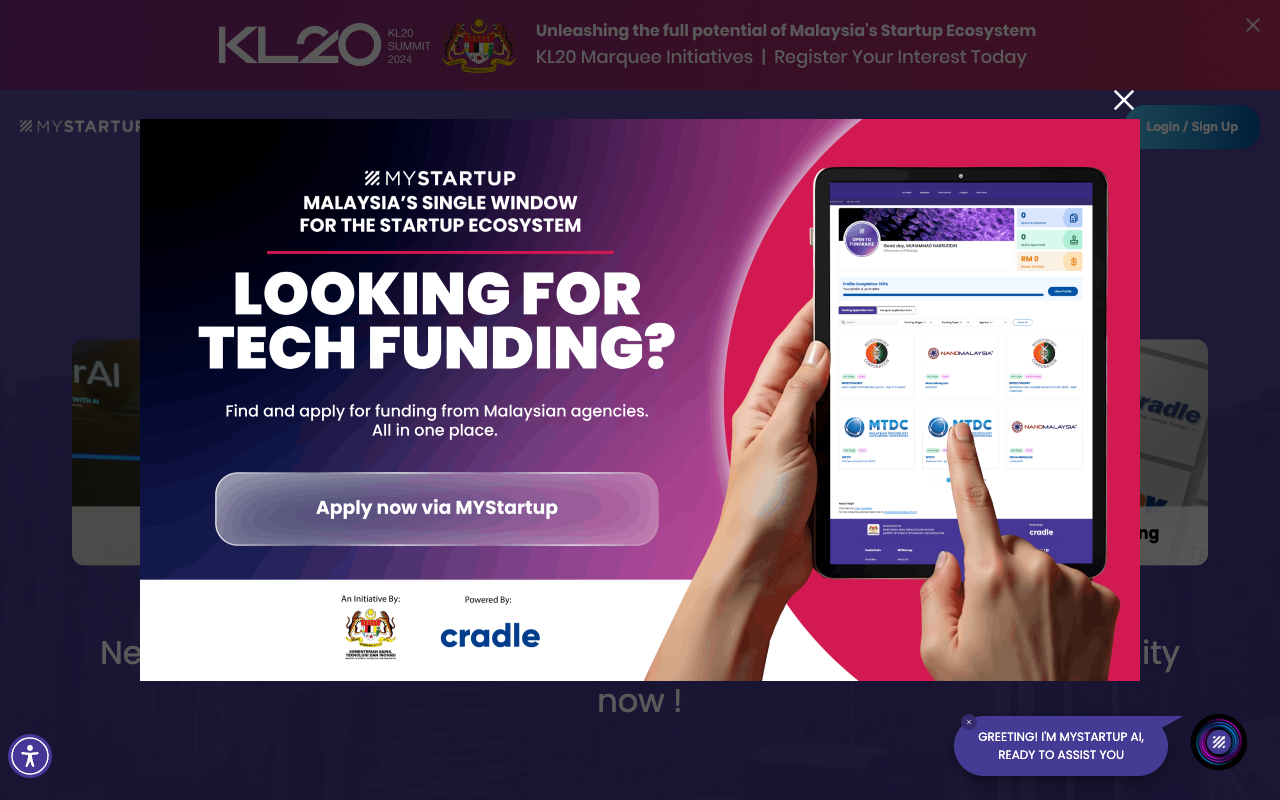
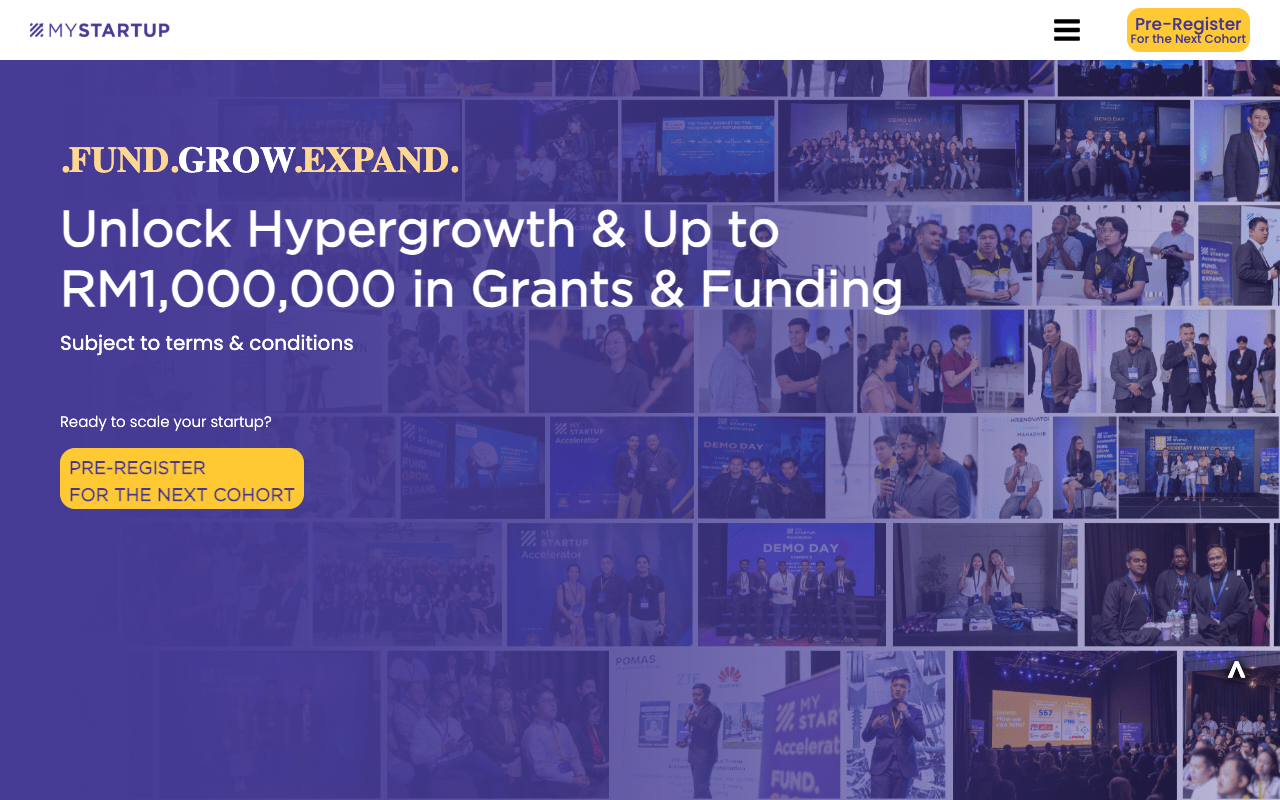
4-month accelerator under MOSTI's MYStartup initiative run with NEXEA. Top 20 selected → Top 5 qualify for cash prizes. Up to RM1,000,000+ in grants & investments for early to growth-stage Malaysian startups.
National-level government hackathon by MOSTI via Cradle Fund. Theme: Digitalization of Government Service Delivery. Nationwide events across Malaysia. Winners receive RM250,000 conditional grant from Cradle.
By SIDEC under Selangor Government, equity-free, zero fees. 338 applications in 2025, 24 finalists. Cash prize pool RM50,000-100,000 at Demo Day + overseas study trips. Requires SSM-registered early-stage tech startup with MVP.
Free online program teaching how to start a startup. Includes video lectures from YC partners, weekly group sessions, and access to founder community. Covers ideation, building, launching, and fundraising.
Collection of essays from YC co-founder Paul Graham. Essential reading on startups, programming, and life. Classics include "How to Start a Startup", "Do Things That Don't Scale", and "Maker's Schedule".
Blog from former YC president and OpenAI CEO. Covers startups, AI, and technology. Notable posts on startup advice, productivity, and the future of AI.
Official YC channel with founder interviews, Startup School lectures, and "How to Start a Startup" series. Features advice from successful founders like Airbnb, Stripe, and Dropbox.
Andreessen Horowitz channel covering tech trends, founder interviews, and deep dives into emerging technologies. High-quality production with insights from top VCs and founders.
Lenny Rachitsky interviews world-class product leaders and growth experts. Covers product management, growth strategies, and career advice. One of the top business podcasts.
One of the most popular VC podcasts. Harry interviews top founders and investors including Zuckerberg, Musk, and leading VCs. Deep dives into fundraising, scaling, and startup strategy.
Former WeWork head of product shares startup ideas, community building strategies, and internet business opportunities. Known for "Startup Ideas" series with actionable concepts.
Indie hacker building and shipping products in public. Shares his journey building multiple SaaS products, revenue numbers, and practical coding/marketing tips. Inspirational for solo founders.
Interviews with founders about how they started their businesses. Covers revenue numbers, strategies, and lessons learned. Great for seeing diverse paths to success.
Reid Hoffman (LinkedIn co-founder) interviews iconic founders about scaling companies. Features Zuckerberg, Hastings, Chesky, and more. High production value with storytelling approach.
Sam Parr and Shaan Puri discuss business ideas, trends, and opportunities. Entertaining format with actionable insights. Known for brainstorming million-dollar ideas live.
Classic essay on finding startup ideas. Key insight: look for problems you personally have, not ideas that sound like startup ideas. Live in the future and build what seems interesting.
YC partner video on generating and filtering startup ideas. Covers the 4 most common mistakes, how to evaluate ideas, and finding ideas organically vs deliberately.
Subreddit where people post product/app ideas they wish existed. Great source of real problems people want solved. Browse for inspiration or validation.
Official list of startup ideas YC wants to fund. Updated periodically with areas YC partners are excited about. Categories include AI, healthcare, climate, and more.
Elon Musk explains first principles reasoning for innovation. Break problems down to fundamental truths and reason up from there, rather than reasoning by analogy.
How Linear, Mercury, and other successful startups validated their ideas before building. Practical tactics including customer interviews, landing page tests, and concierge MVPs.
YC guide on building minimum viable products. Key insight: launch something embarrassingly early. Covers what to build, what to skip, and how to iterate based on feedback.
Guide to building with AI coding assistants like Claude Code and Codex. Covers prompting strategies, iterating on code, and shipping faster with AI pair programming.
Collection of best UX practices backed by psychology research. Includes Fitts's Law, Hick's Law, Jakob's Law, and more. Essential for building user-friendly products.
Essential essay on fundraising strategy. Covers when to raise, how much to raise, and negotiation tactics. Key insight: be in a position of strength before raising.
Curated list of top accelerators beyond YC. Includes Techstars, 500 Global, Antler, and regional accelerators. Compare investment terms and focus areas.
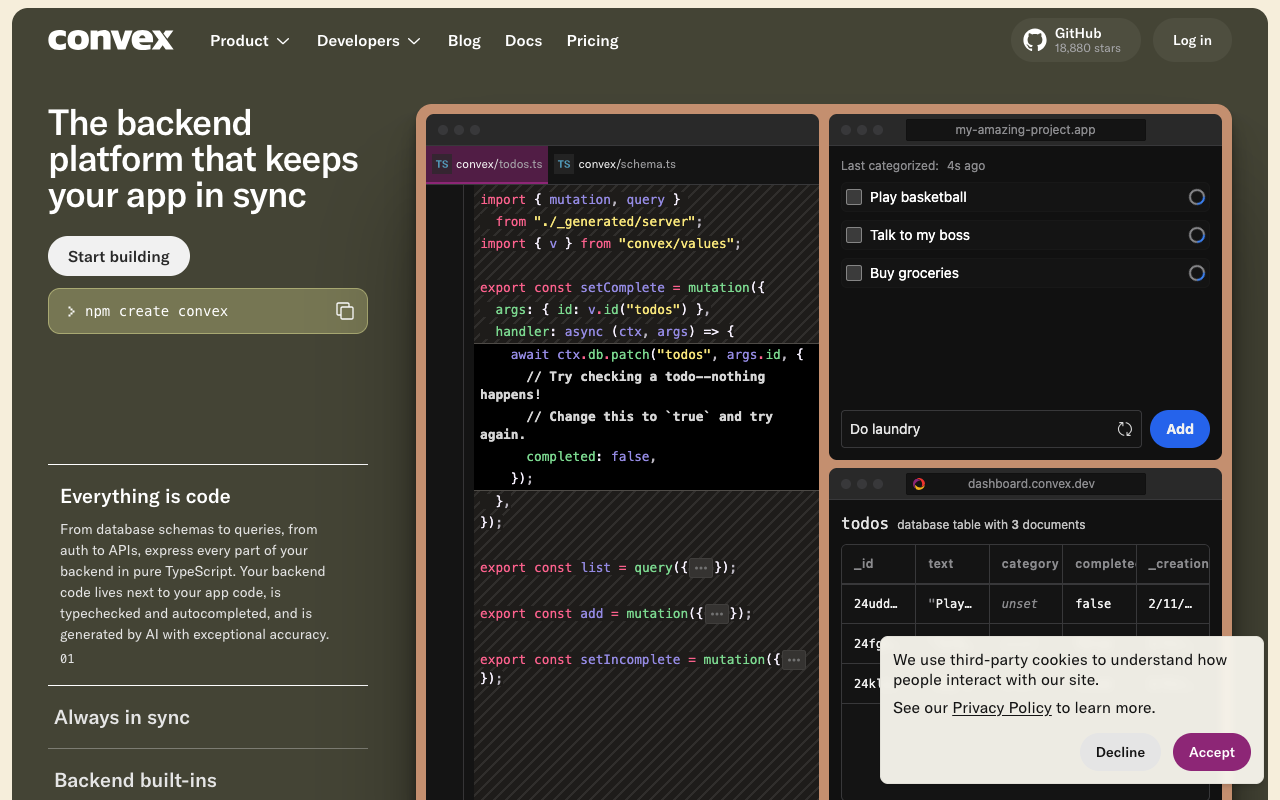
Open-source reactive backend-as-a-service with real-time sync. TypeScript-first with auto-generated APIs, built-in auth, and cron jobs. Went open-source in Feb 2025, now self-hostable with Postgres/MySQL/SQLite. Higher learning curve than Firebase or Supabase, but best DX once you learn it — AI-native and you're less likely to hit walls that force refactoring as your app grows. Queries run directly in the database with no cache invalidation needed.
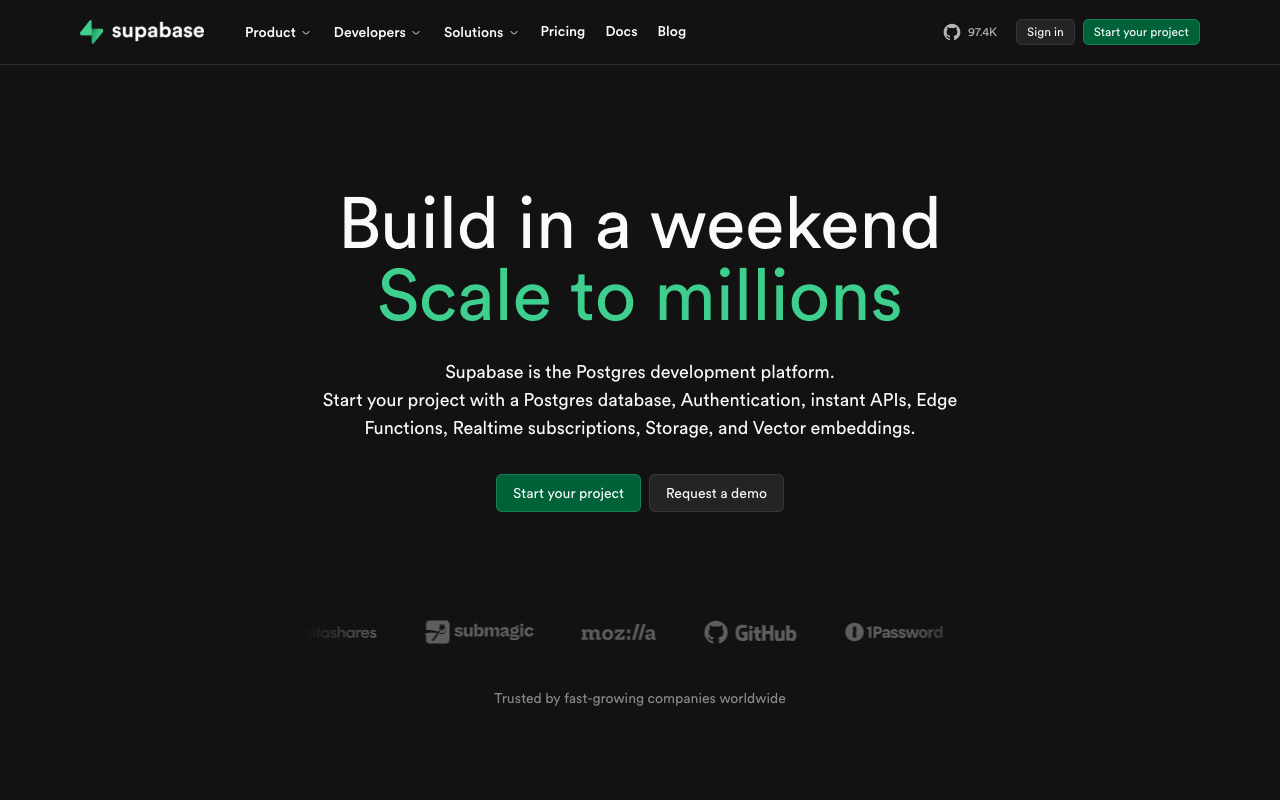
Open-source Firebase alternative built on Postgres. Best quick-to-setup backend when vibecoding or prototyping — get auth, real-time subscriptions, storage, and edge functions running in minutes. Self-hostable with predictable pricing. Great for MVPs and hackathons where speed matters most.
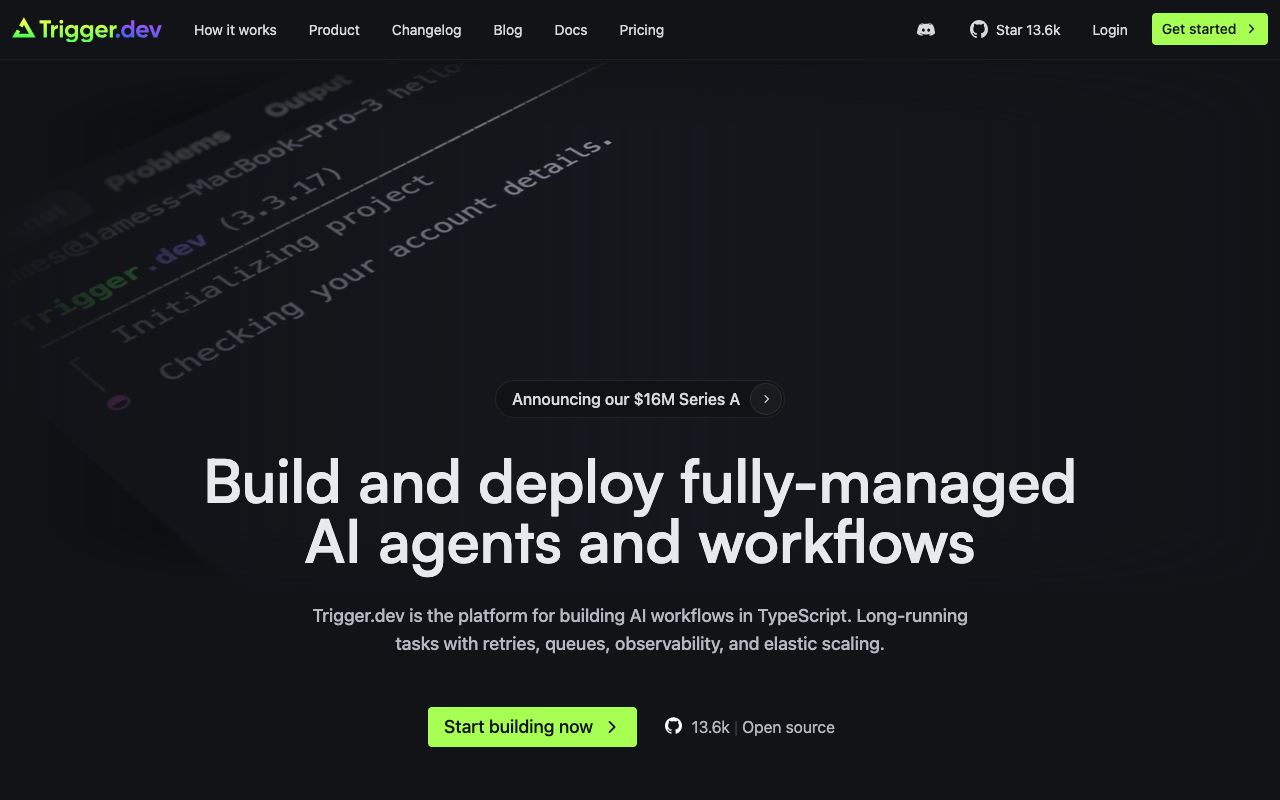
Open-source durable workflow and background jobs platform for TypeScript. Handles long-running AI workflows, retries, queues, and human-in-the-loop approvals with no timeouts. Better experience than Inngest in practice — excels at tasks like video processing and multi-step AI pipelines. Pay-as-you-go model. V3 brought major improvements though migration from V2 had some pain points.
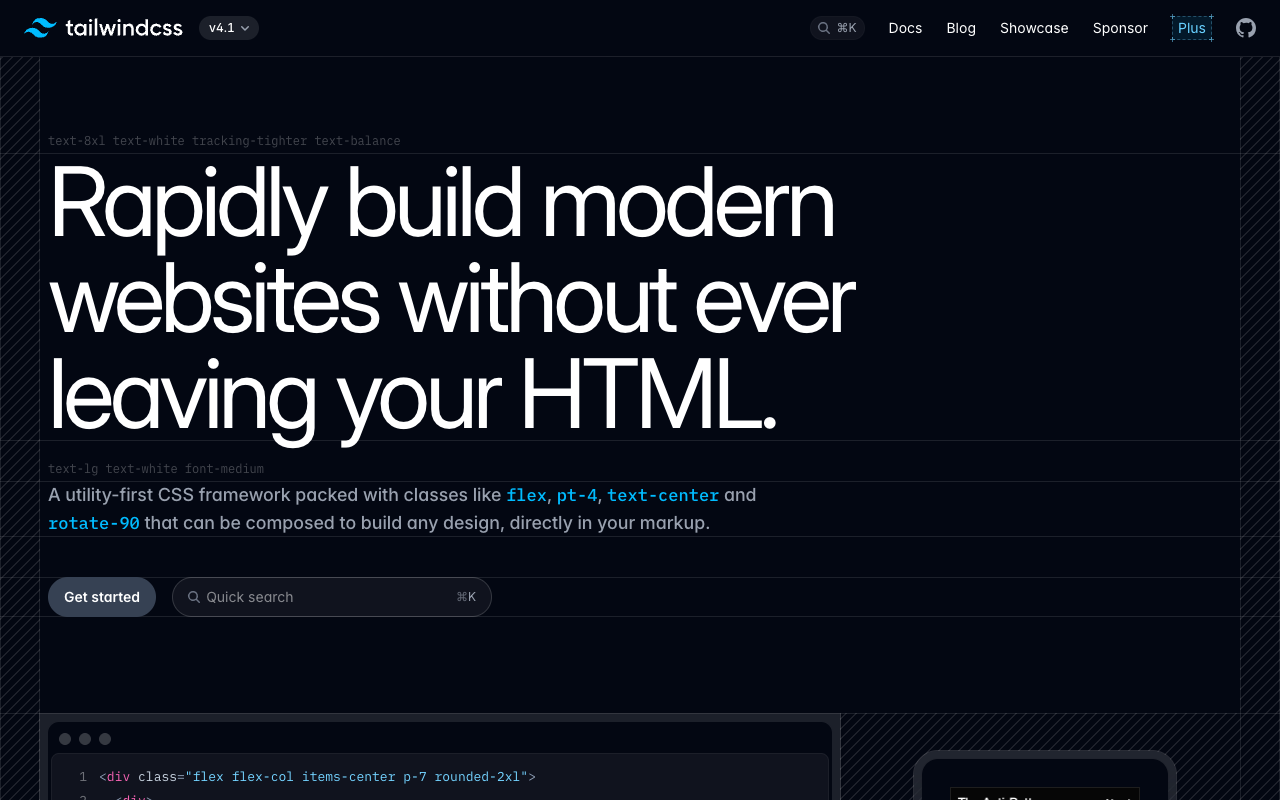
Utility-first CSS framework and the industry standard for modern web apps. Perfect for AI-assisted coding — LLMs generate Tailwind classes reliably since the patterns are consistent and well-represented in training data. Build custom designs without leaving your HTML.
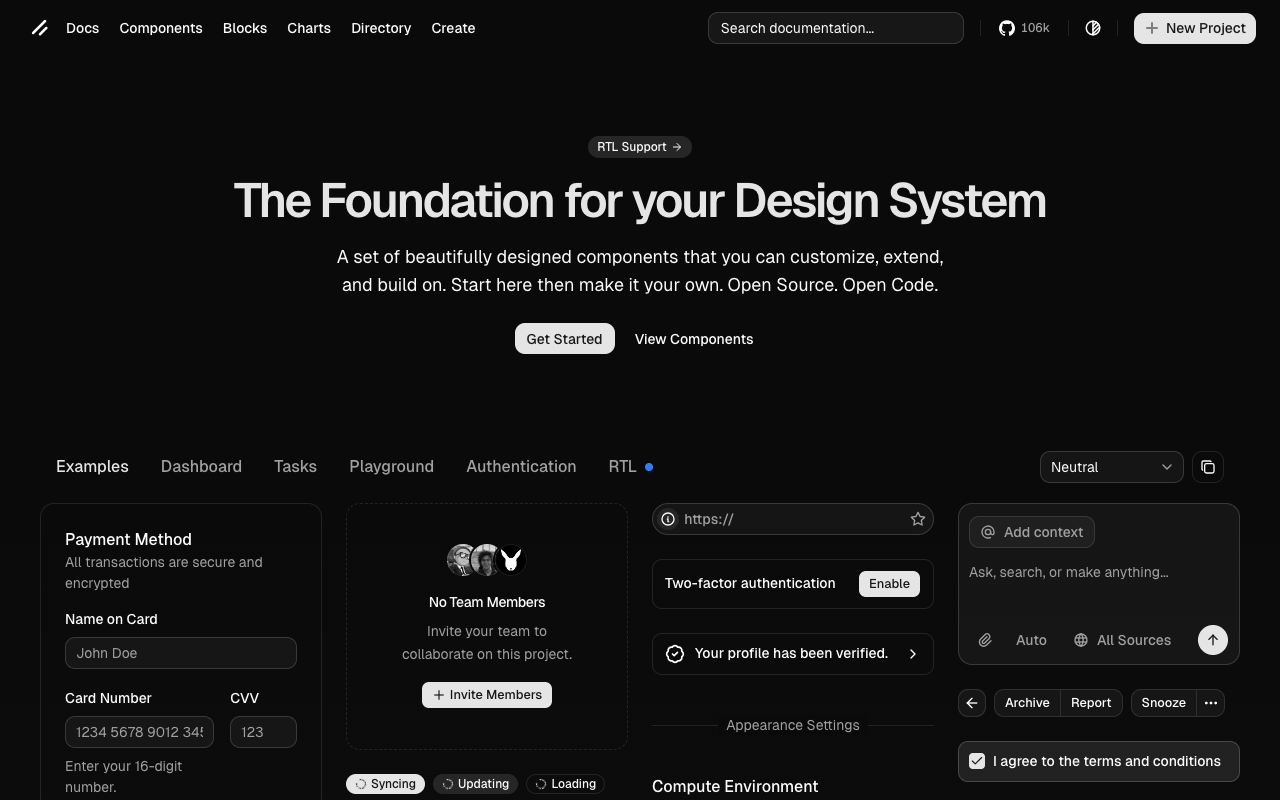
Copy-paste React components built with Radix UI and Tailwind CSS. Perfect for AI coding and shipping fast — full code ownership, WCAG compliant, and LLMs know the patterns well. 100k+ GitHub stars. The trade-off: your app might look like dozens of other startups unless you customize the theme.
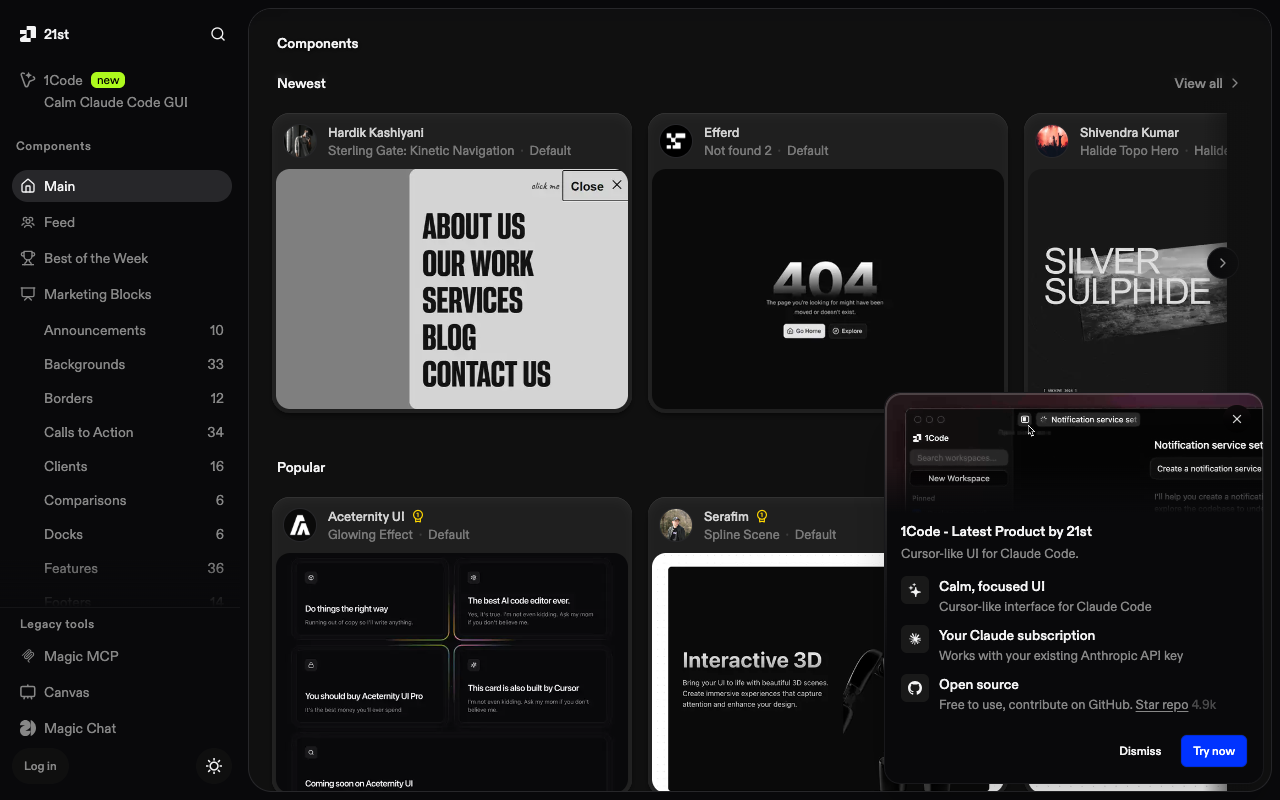
Copy-paste library of fancy animated React components. Browse, publish, and remix components with live code previews. CLI integration via npx for easy installation. Great for when you need polished, eye-catching UI elements beyond what shadcn/ui offers out of the box.
Open-source all-in-one product analytics with session replay, feature flags, A/B testing, and surveys. Better DX than Mixpanel — everything in one platform instead of juggling multiple tools. Generous free tier: 1M events, 5K session recordings, and more per month. Over 90% of companies use PostHog for free.
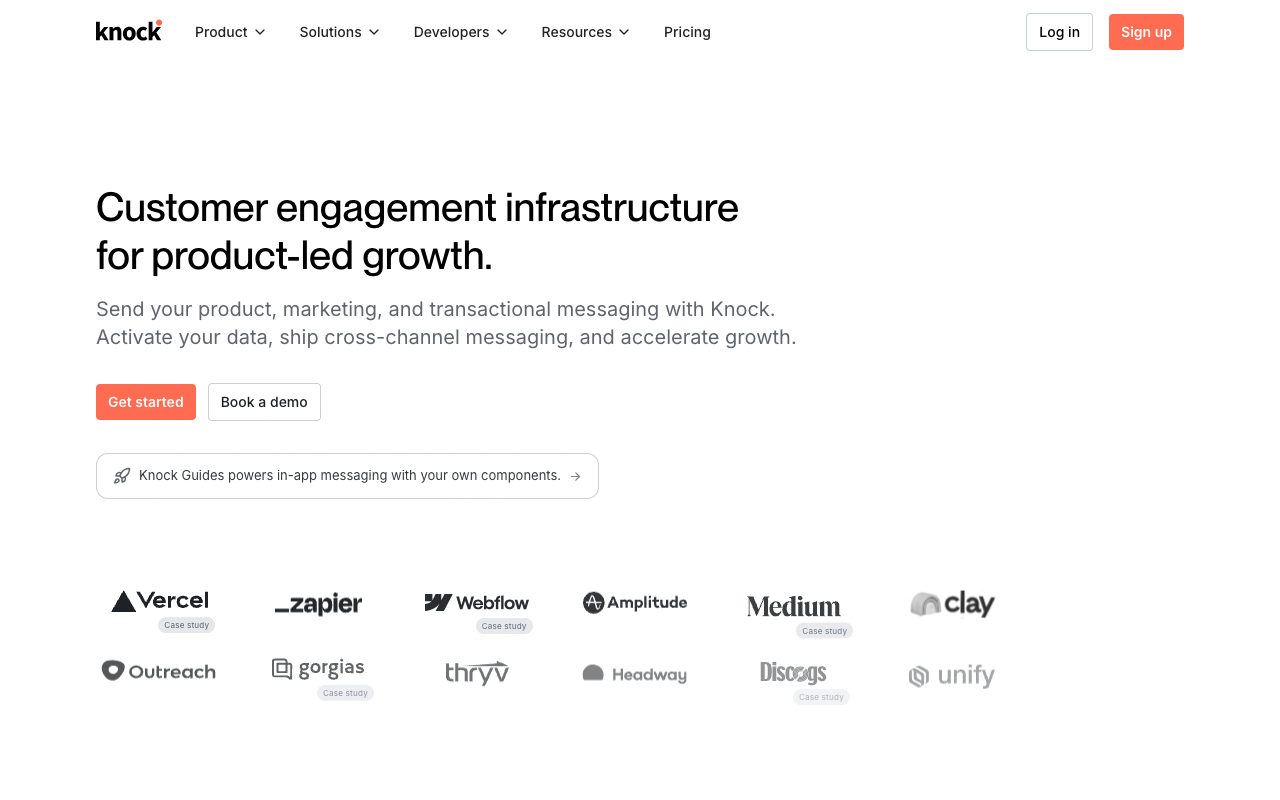
Notification infrastructure for cross-channel messaging — single API for email, SMS, push, Slack, and in-app notifications. Most teams ship notifications within hours. Version-controlled templates with CLI support. Good for announcements and transactional notifications. Free tier available, $250/mo for paid plans.
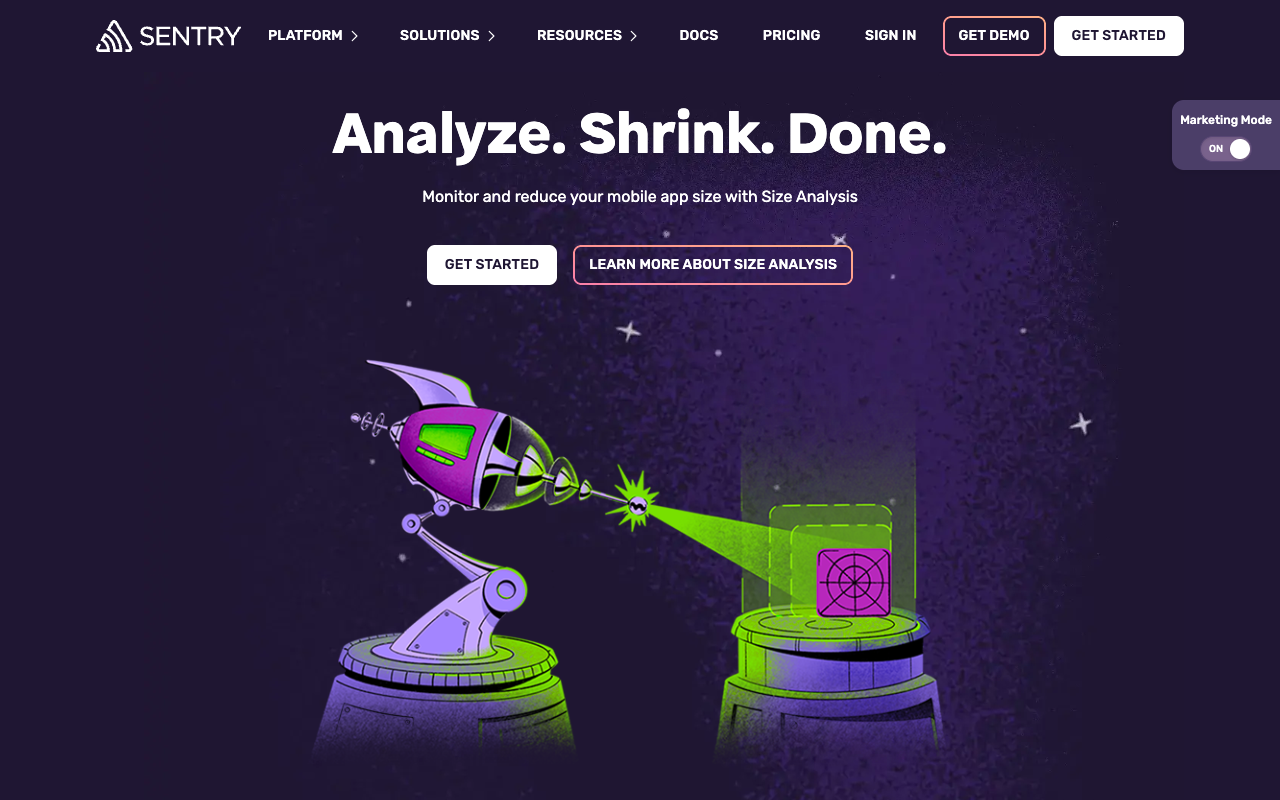
Industry-standard application monitoring and error tracking. Real-time crash reporting with full stack traces, performance monitoring, and release tracking. Essential for any production app — catches bugs before your users report them.
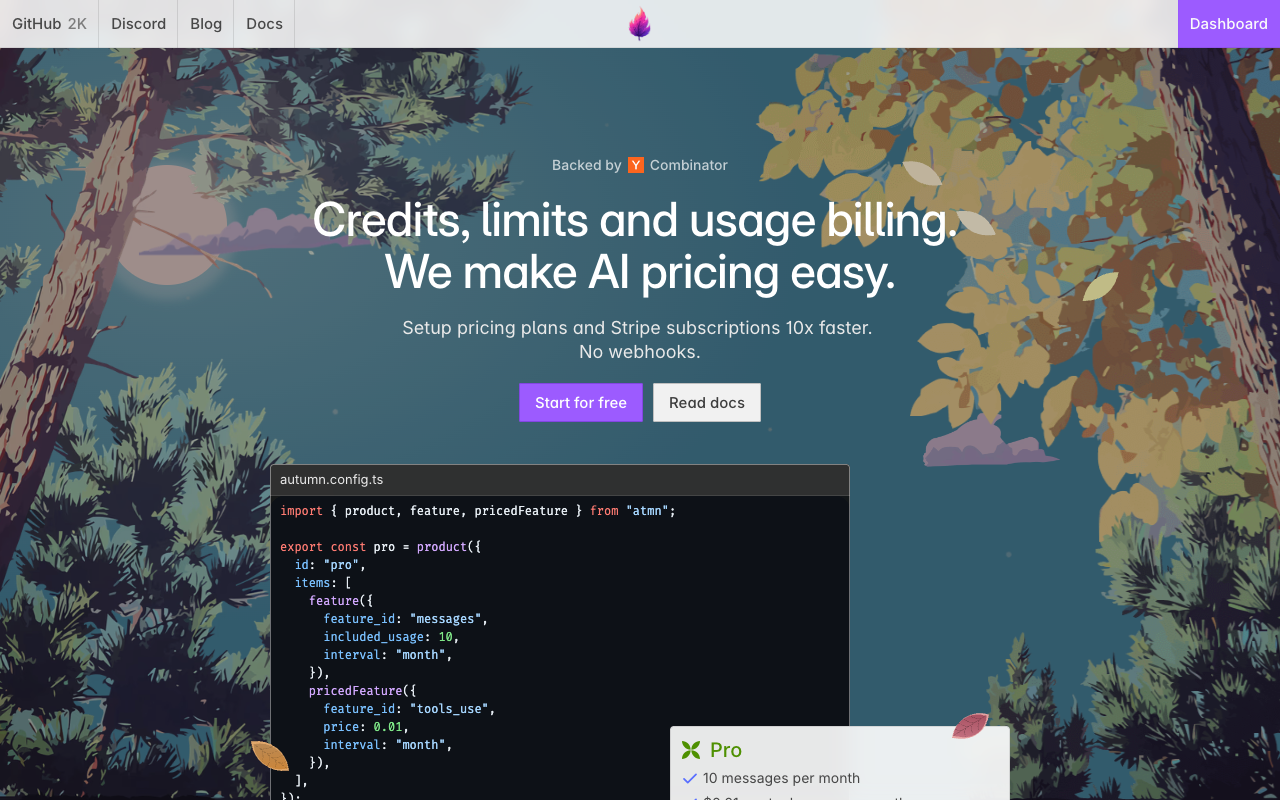
YC-backed open-source billing platform built on Stripe, designed specifically for AI SaaS. Like a CMS for managing usage-based pricing, credits, subscriptions, and feature gating. Handles checkouts, upgrades, downgrades, and cancellations in 3 function calls with no webhooks needed. Saves a lot of time if you're building the typical AI SaaS pricing model.
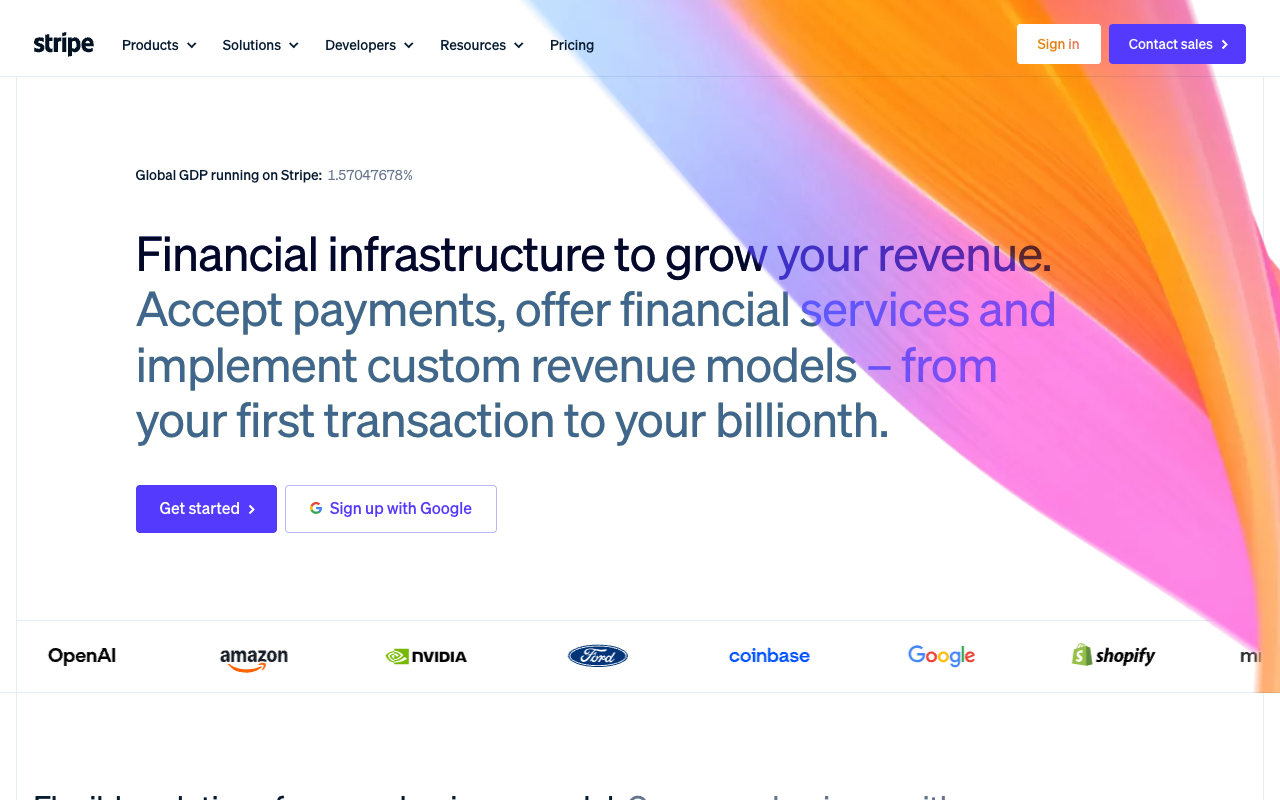
The industry standard payment infrastructure for the internet. Handles payments, subscriptions, invoicing, and financial reporting. Practically every SaaS startup uses Stripe — the ecosystem of wrappers and integrations (like Autumn) makes it even more powerful.
Google's backend-as-a-service platform. Real-time database, authentication, hosting, cloud functions, and analytics. Great for rapid prototyping and MVPs, though you may outgrow it and want to migrate to something like Supabase or Convex as your app gets more complex.
Complete authentication and user management with drop-in UI components. Integration takes 1–3 days for most projects. Free for 10K monthly active users. Great DX with flexible APIs and admin dashboards. Can get pricey at scale — around $100–$150/mo at 15K users — but the speed of integration is hard to beat.
Email API built for developers with the cleanest DX in the space. React Email integration lets you write email templates as React components. 3,000 emails/month free. Modern REST API with SDKs for Node.js, Python, Go, and more. Domain approval can take 1–2 business days (vs instant on SendGrid).
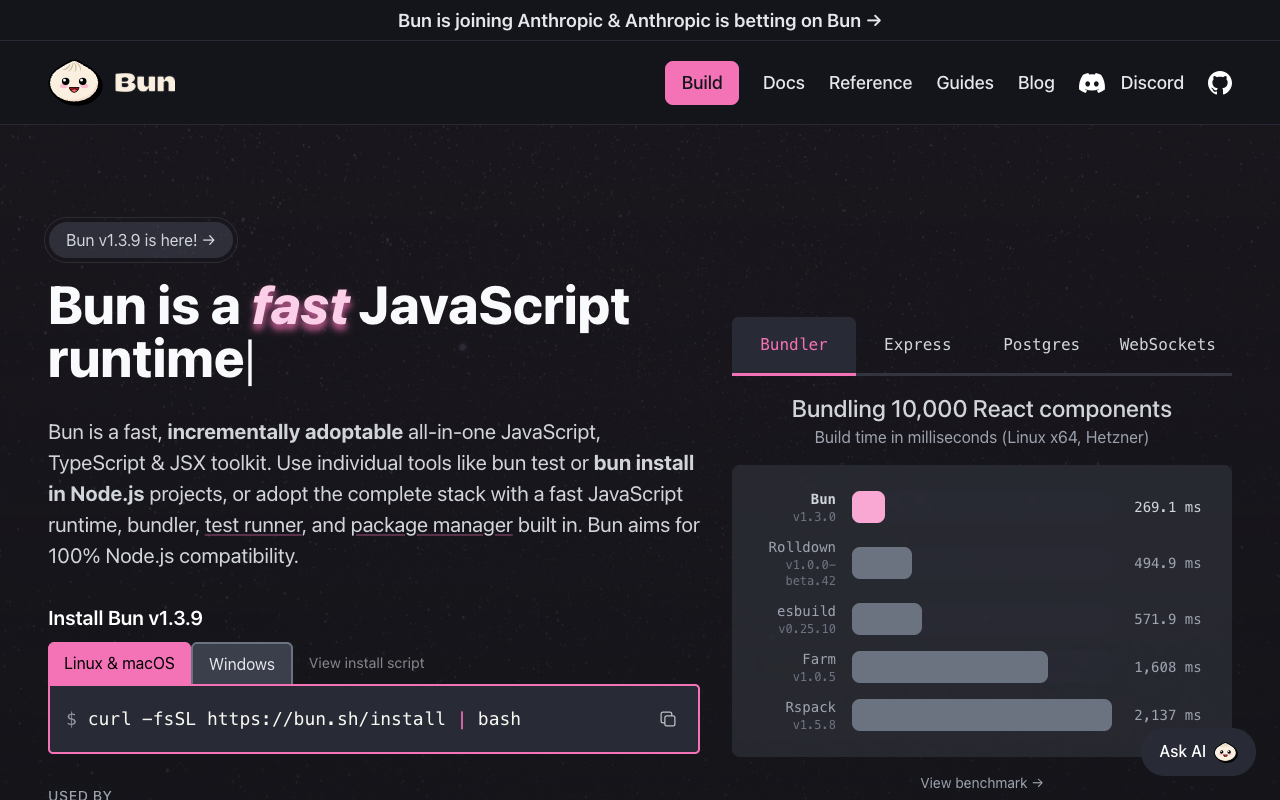
All-in-one JavaScript runtime, bundler, test runner, and package manager. Switching from npm is mind-blowing — package installs go from 20+ seconds to 2–3 seconds. 4x HTTP throughput vs Node.js and 10–30% less memory. Production-ready for greenfield projects, though some teams still deploy to Node for maximum ecosystem stability.
Frontend cloud platform with zero-config deployments, edge functions, and built-in analytics. Easy and quick — push to deploy and it just works. Created Next.js and the AI SDK. Can get expensive as you scale, so evaluate costs early if you expect high traffic.
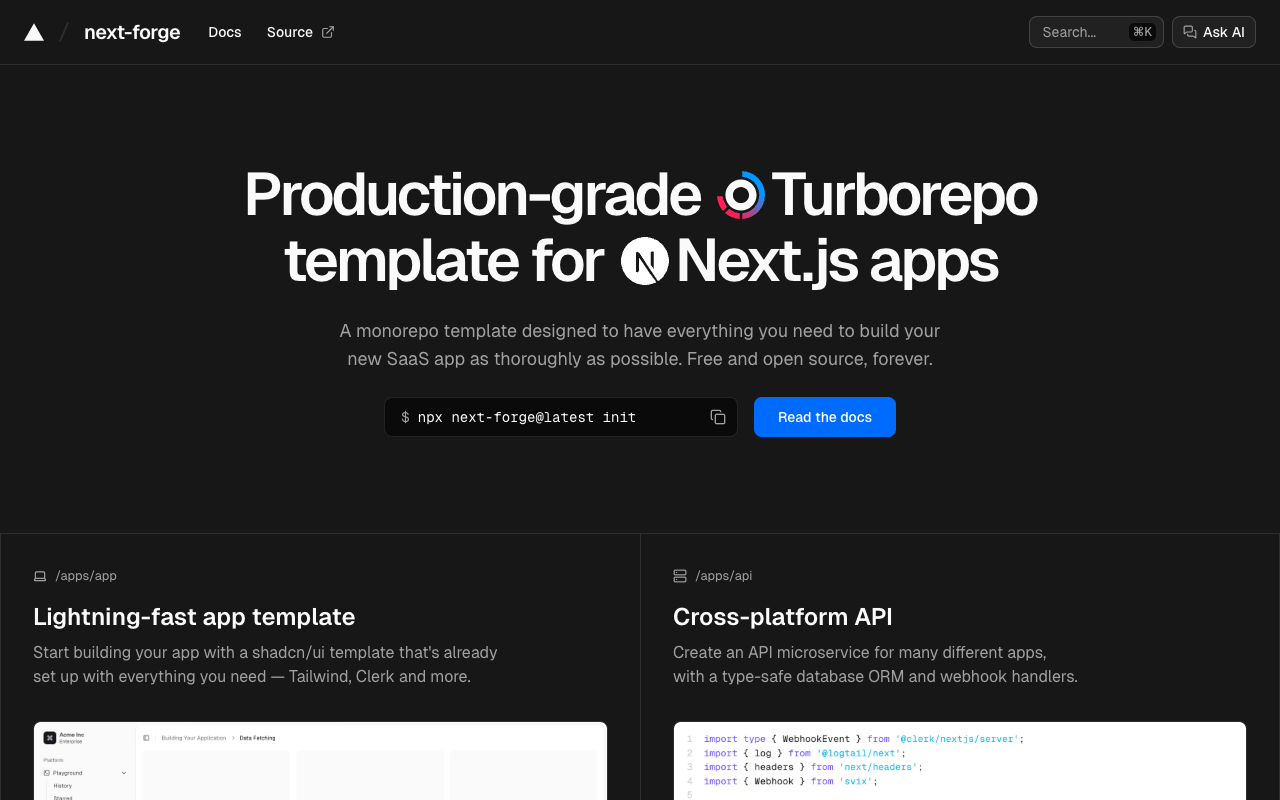
Production-grade Turborepo monorepo template for Next.js, maintained by Vercel. Includes auth (Clerk), database (Prisma), payments (Stripe), docs, blog, analytics, emails, and feature flags out of the box. Opinionated but saves weeks of boilerplate setup. Monorepo structure keeps apps, packages, and docs organized from day one.
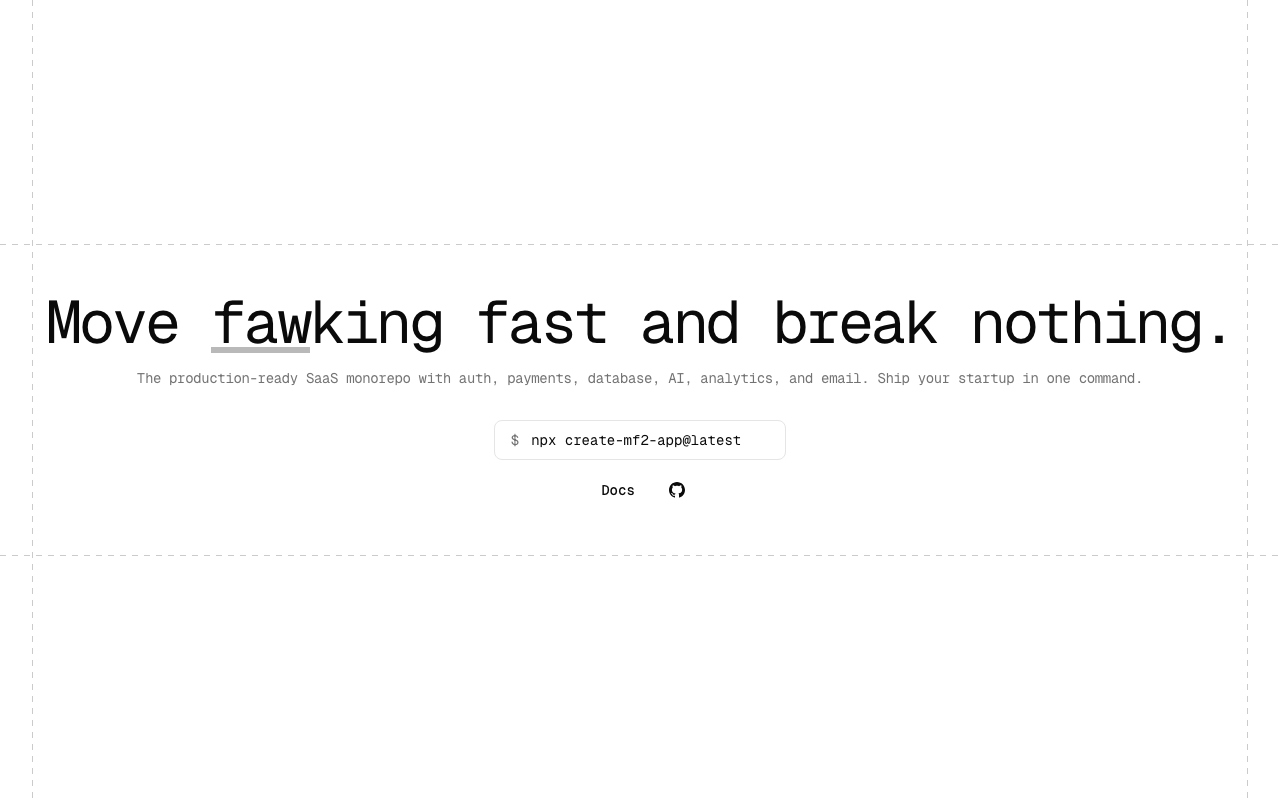
Startup-in-a-command monorepo boilerplate built for the agent era. Bundles the recommended stack: Convex, Clerk, shadcn/ui, Tailwind CSS, PostHog, Knock, Resend, Sentry, Stripe, and Vercel AI SDK — all pre-configured. Ship with one command: npx create-mf2-app. Like next-forge but Convex-based instead of Prisma, with AI agent skills and Storybook included.
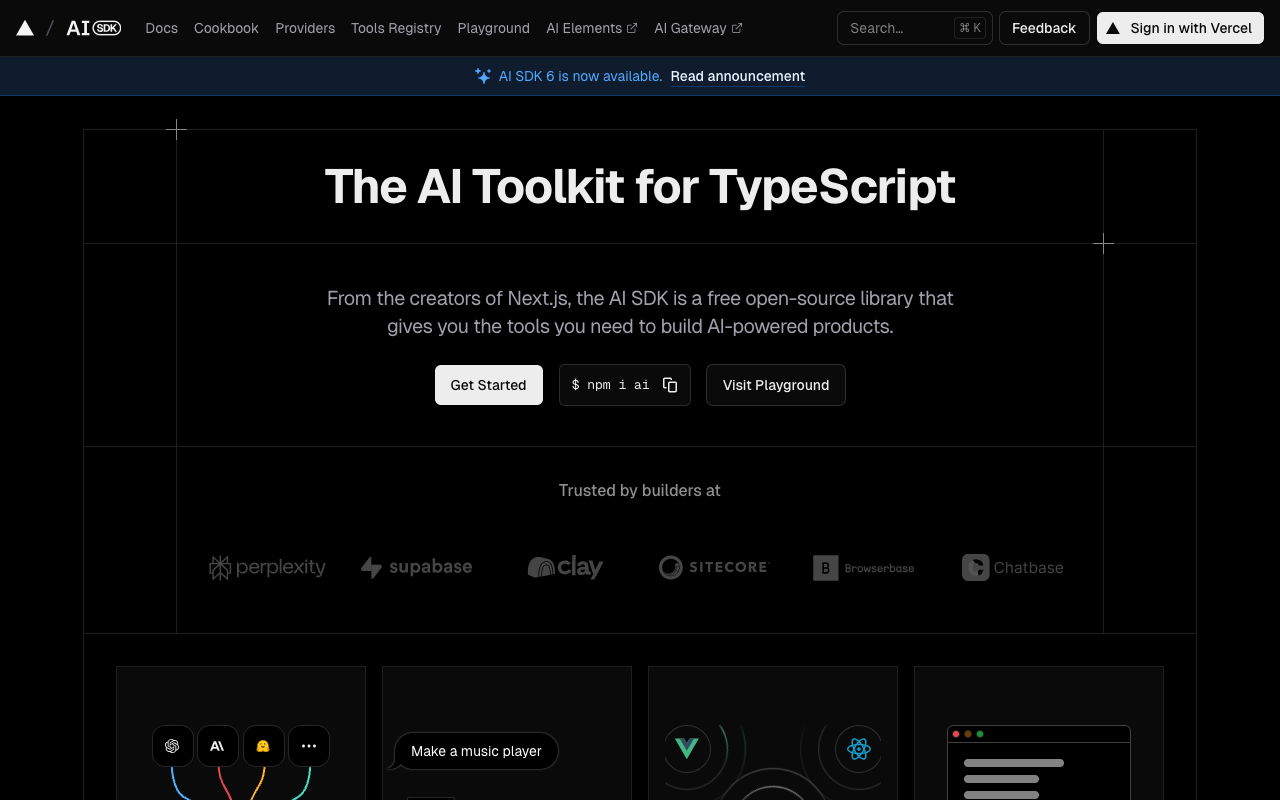
TypeScript toolkit for building AI apps with 20M+ monthly downloads. Unified API across OpenAI, Anthropic, Google, and more — swap providers without rewriting code. Handles the hard parts: stream parsing, tool streaming, multi-turn execution, and error recovery. Great abstractions without being over-abstracted.
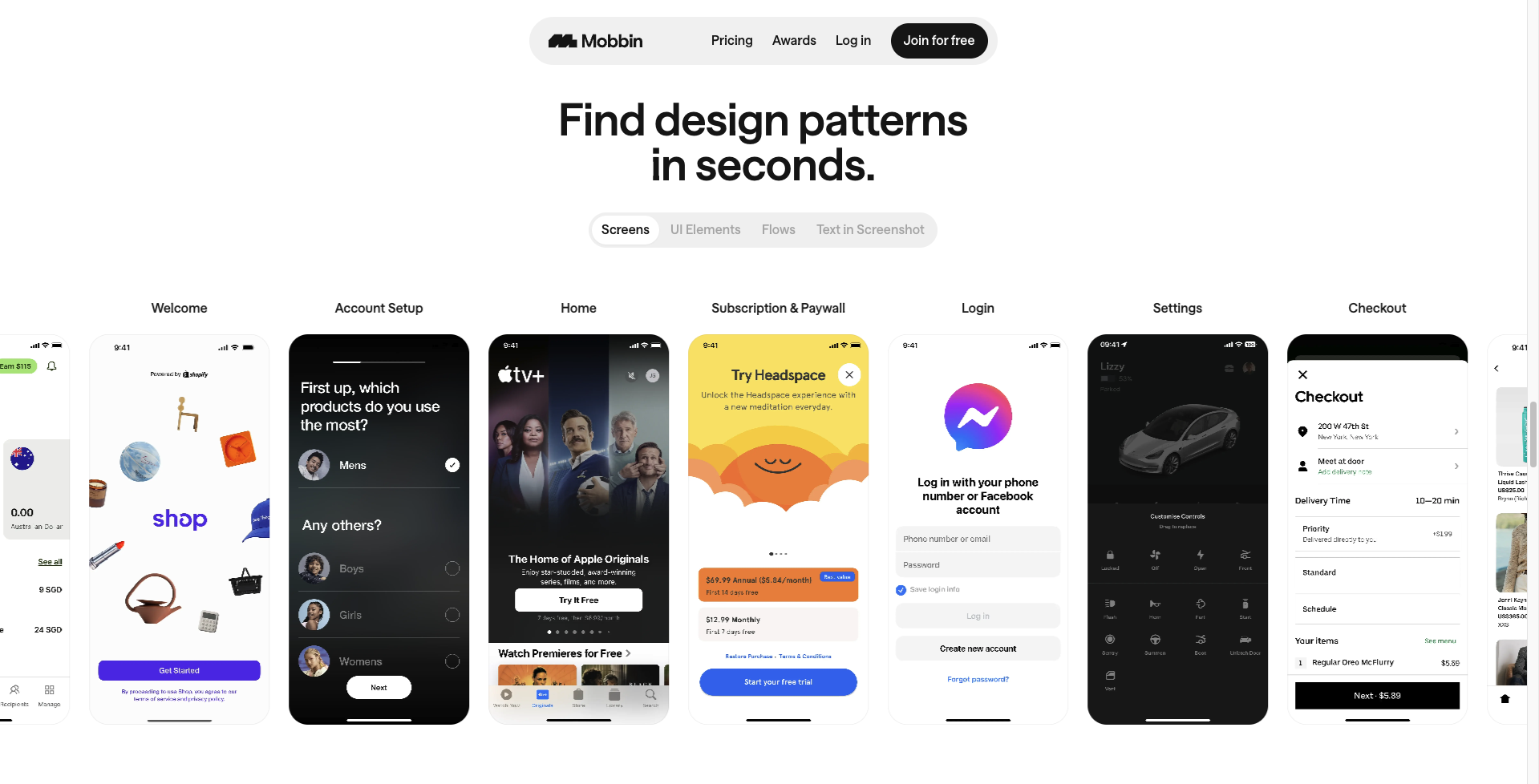
World's largest UI/UX design reference library with 400K+ screenshots from real apps. Useful when you want to see how other apps handle specific UI patterns — search by screens, UI elements, flows, or text. Figma integration for direct copying.
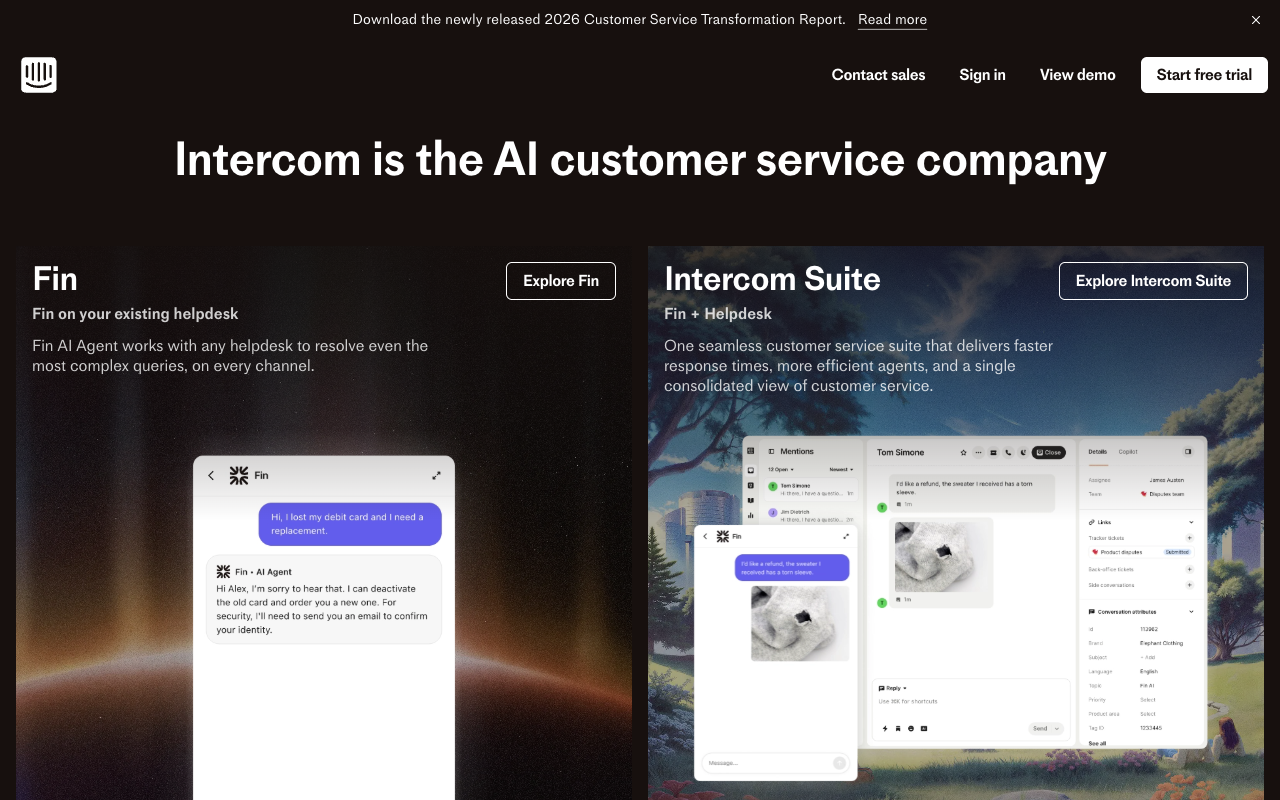
AI-first customer service platform with live chat, help center, and AI agent (Fin) for support automation. Great product overall — free for startups for 1–2 years through their startup program. The catch: pricing gets ridiculously expensive after the program ends. Fin AI costs $0.99 per resolved inquiry, which adds up fast.
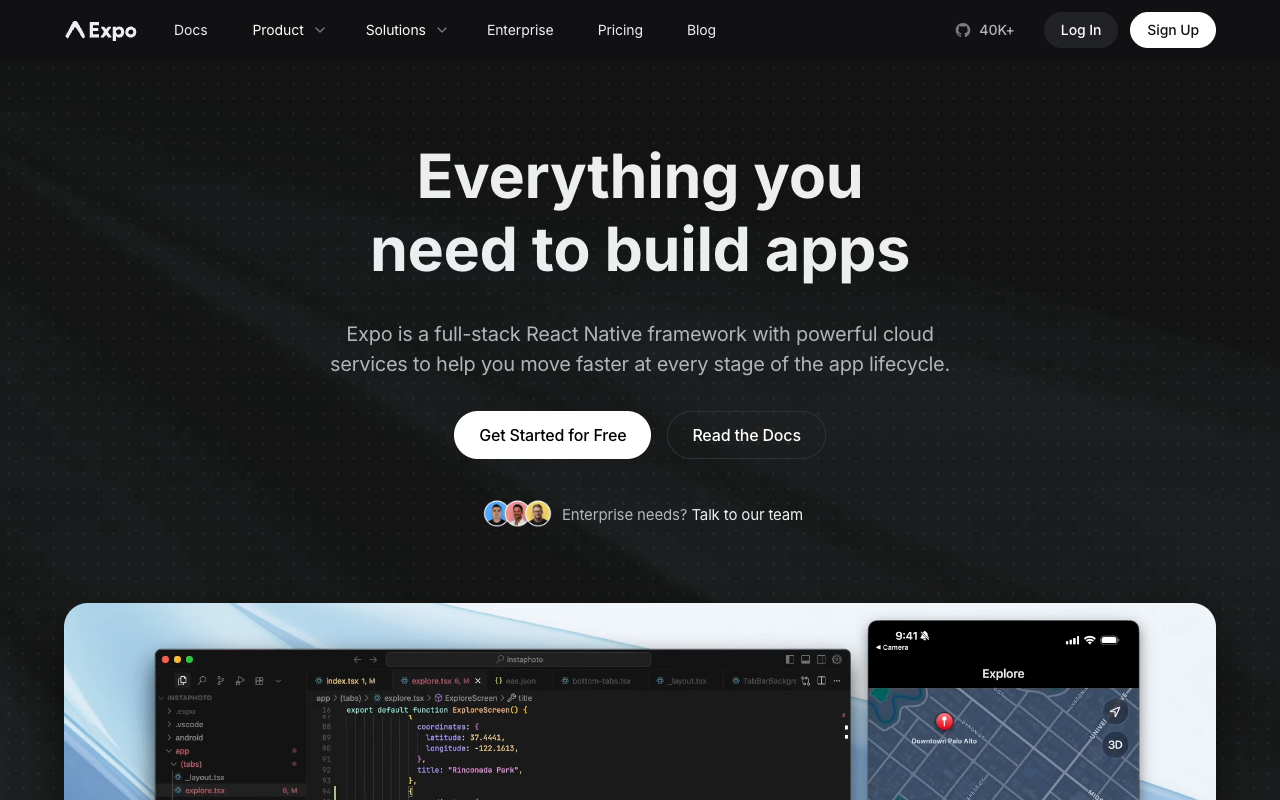
The easiest way to build cross-platform mobile apps with React Native. No Xcode or Android Studio needed for most tasks — file-based routing, over-the-air updates, and 70+ built-in APIs. Recommended by the community for 95% of React Native projects. App size starts at ~25MB which is the main trade-off.
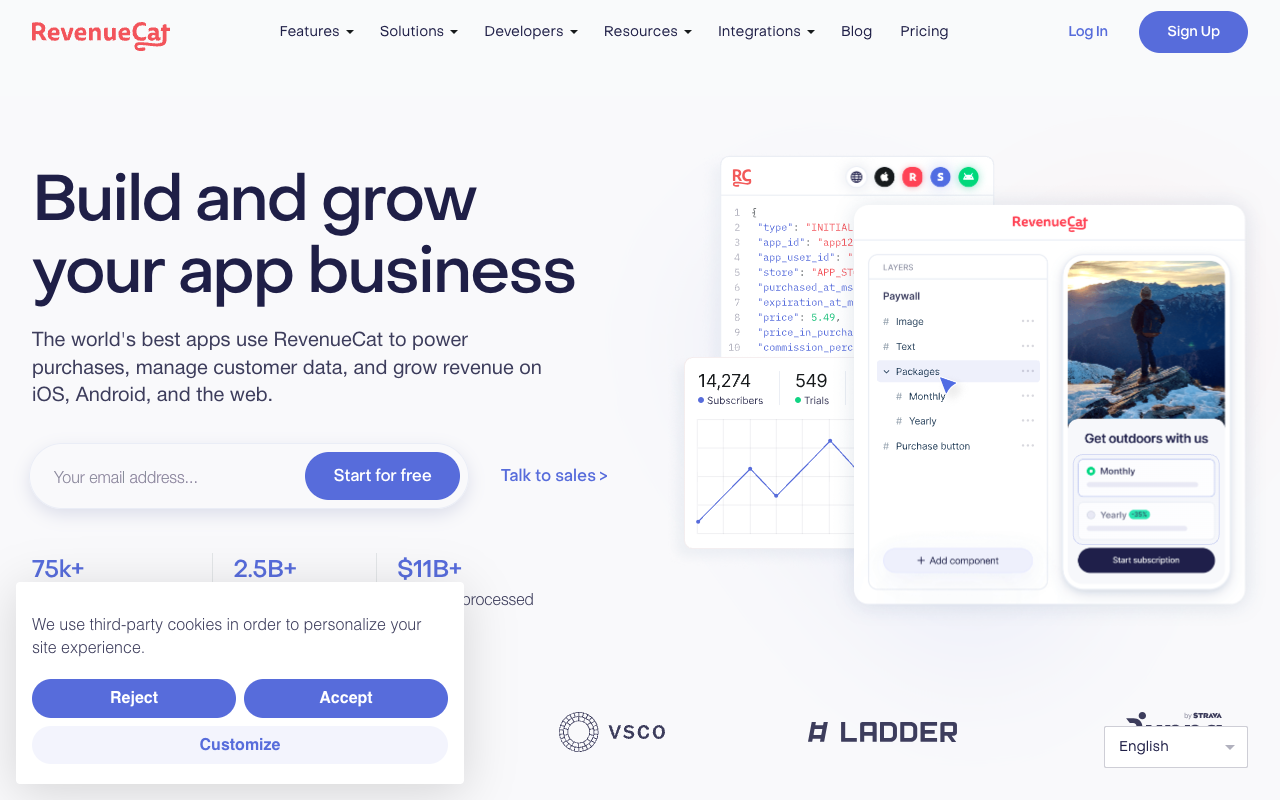
Stripe wrapper for mobile in-app purchases and subscriptions. Eliminates the pain of dealing with raw StoreKit and Google Play Billing — most devs get subscription handling working in a couple of hours. Handles iOS, Android, and web from one codebase. Free up to $2,500 MRR. Analytics for MRR, churn, and LTV.
Modern project management for software teams. Fast keyboard-first interface, cycles, roadmaps, and Git integrations. The best issue tracker for startups.
AI notepad for back-to-back meetings. Listens to calls and generates structured notes with action items. No bots joining your calls. Works with Meet, Zoom, and Teams.
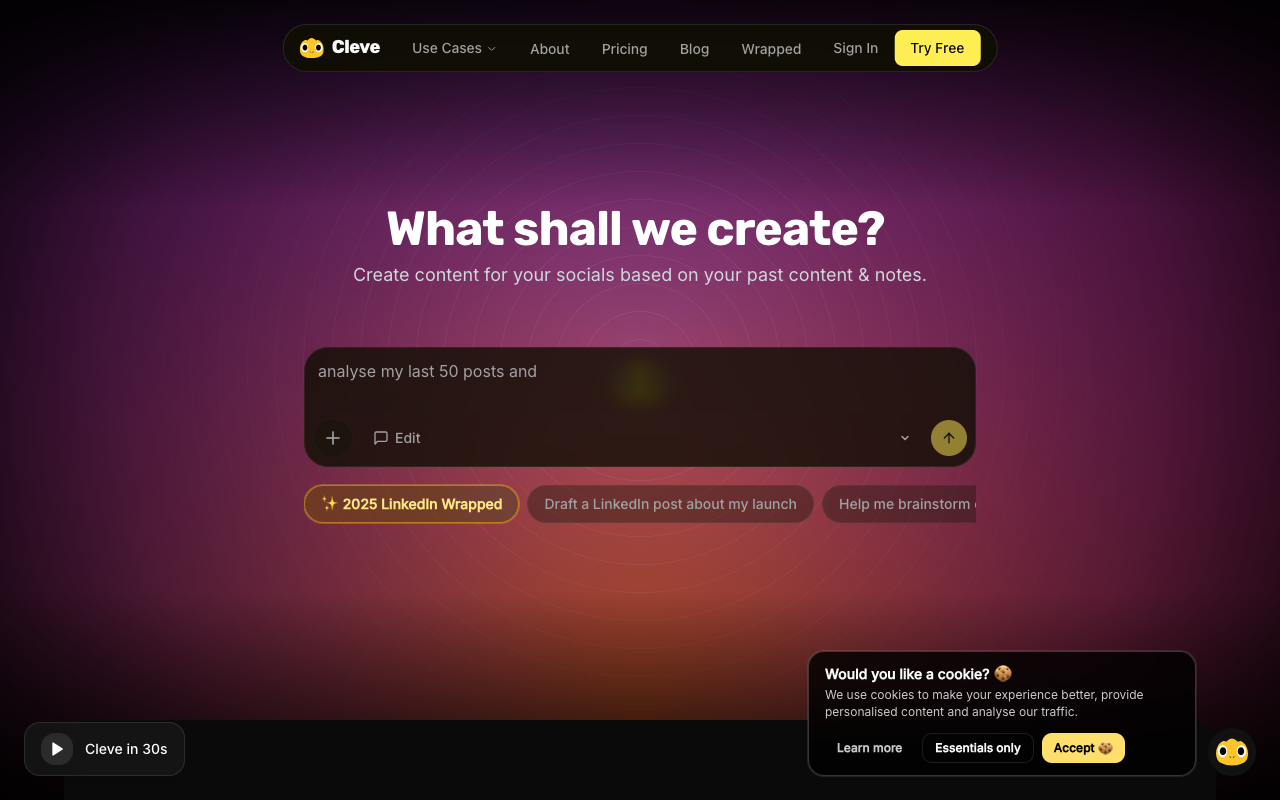
AI-powered content workspace for personal branding. Turn ideas into platform-ready content with voice notes, multi-model AI writing, and 50+ language support.
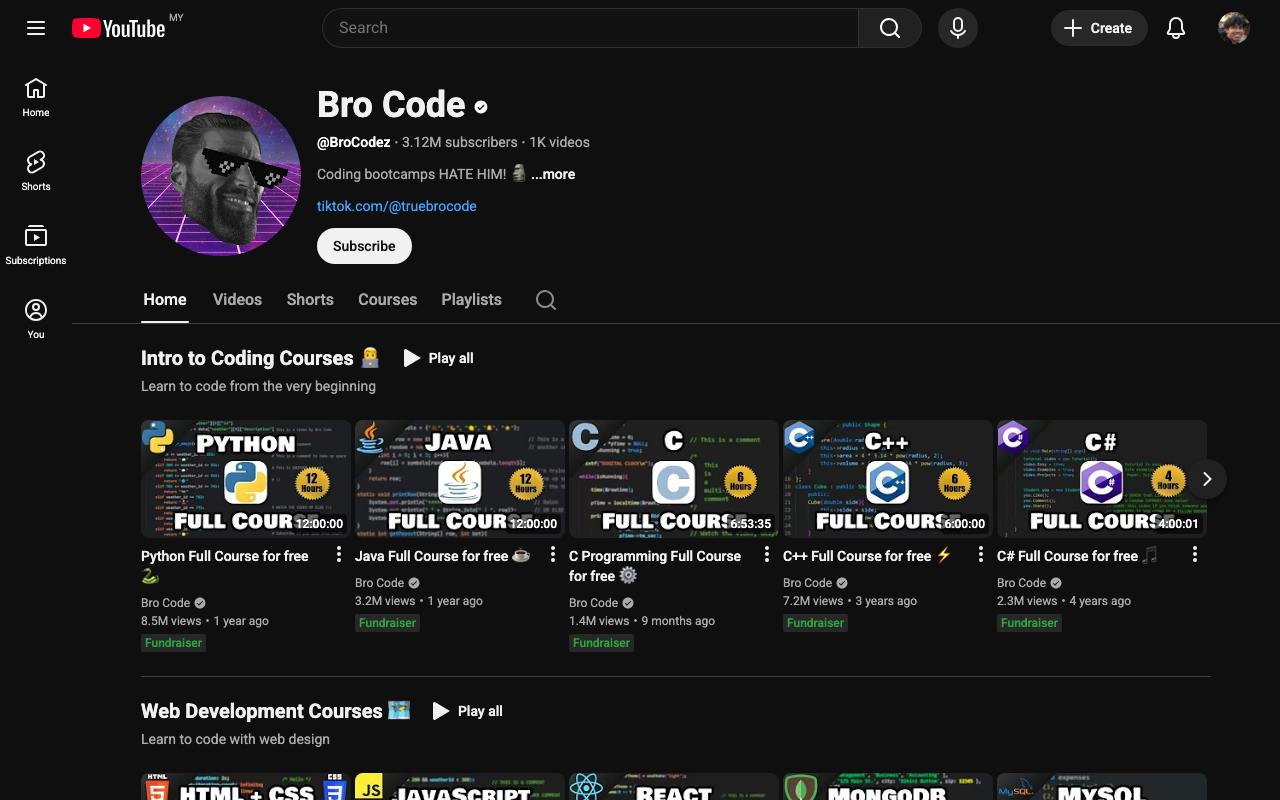
A YouTube channel featuring full 12-hour courses on languages like Python, C++, and Java. Perfect if you prefer long-form video tutorials over reading.
Offers interactive, hands-on courses for real-world subjects like generative AI and web development. Good for learning on the go with bite-sized lessons.
Fast-paced developer education by Jeff Delaney. Bite-sized videos that distill complex concepts into under 10 minutes. Covers React, TypeScript, Next.js, and more.
Stipend: $750–$6,600 USD (varies by project size and country via PPP). Small (90 hrs): $750–$1,650 • Medium (175 hrs): $1,500–$3,300 • Large (350 hrs): $3,000–$6,600. Malaysia: ~$1,500 (medium) / ~$3,000 (large). Applications: March 24 – April 8, 2026. Eligibility: 18+, new to open source, open to students AND non-students since 2022. Duration: 8–22 weeks (flexible).
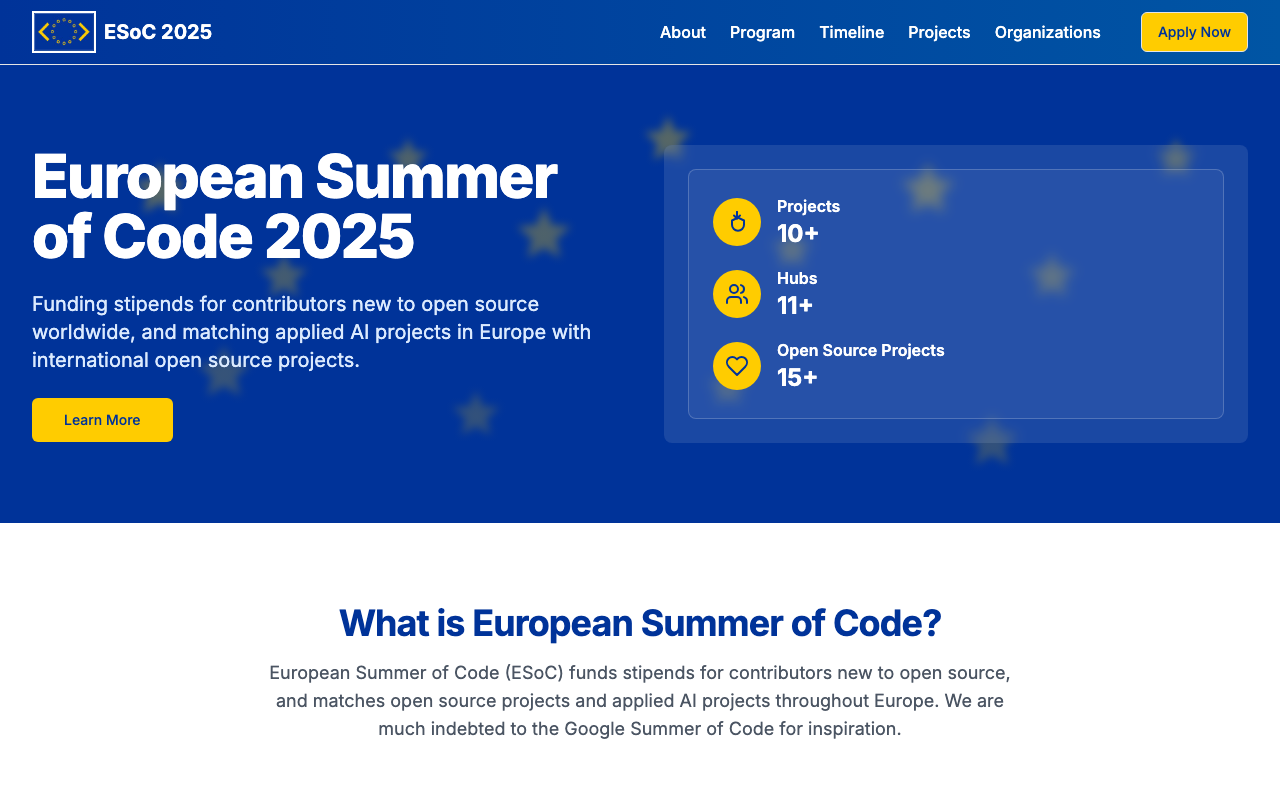
Stipend: €4,800 for open source projects (over 3 months); applied projects may offer higher. Applications (2026): Batch 1: Feb 18 – Mar 18, Batch 2: Mar 19 – Apr 16. Eligibility: Contributors new to open source, worldwide. Projects are based in Europe but applicants can be international. Duration: ~3 months.
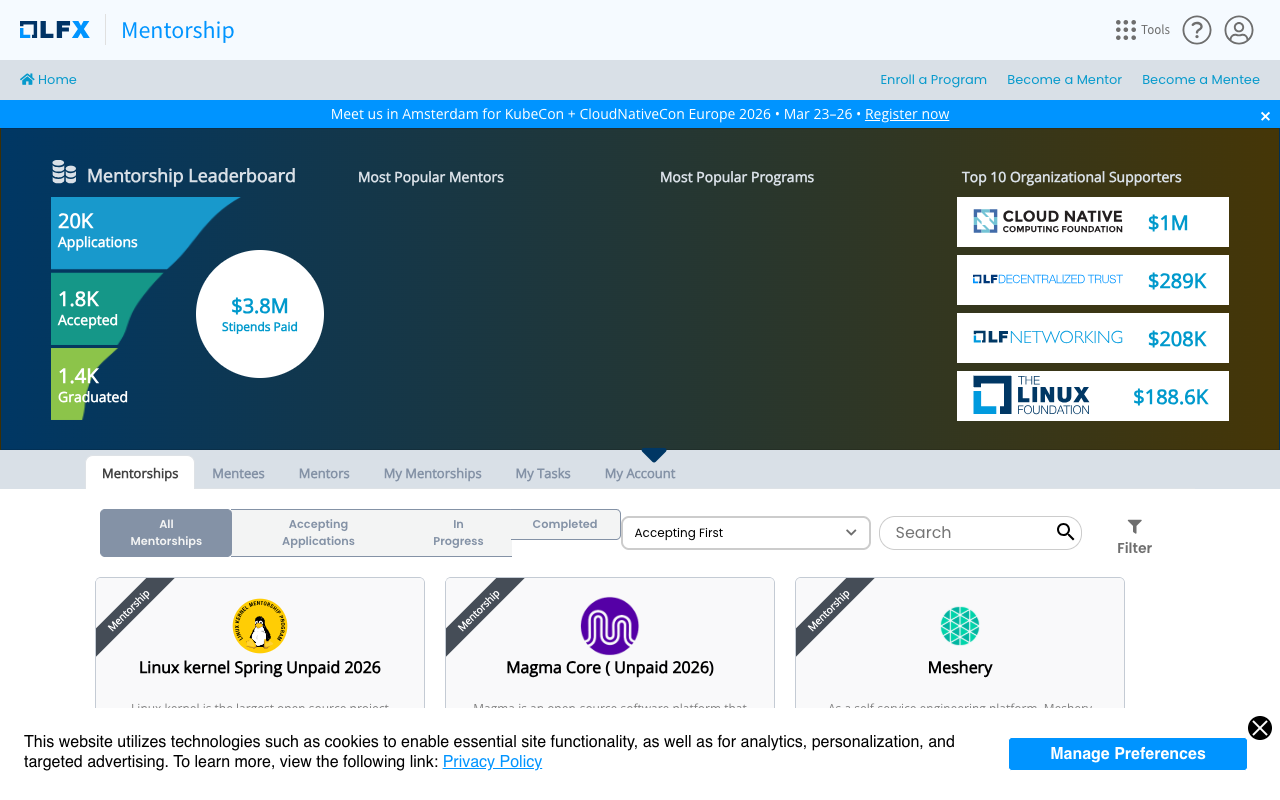
Stipend: $3,000–$6,600 USD (varies by country via PPP). Malaysia: $3,000. Application Periods (2026): Spring: Jan 26 – Feb 10, Summer: May 14 – May 27, Fall: Jul 30 – Aug 12. Eligibility: 18+, no prior LFX participation, max 3 applications per term. Duration: 12 weeks (full-time) or 24 weeks (part-time).
Stipend: ~€7,000 for 450 hours of mentored work. Applications: Typically Feb–Apr each year (2026 expected ~Feb 2026). Eligibility: People studying CS, IT, or free software (formal or self-taught). Underrepresented groups especially encouraged. Remote-friendly worldwide. Duration: ~3–4 months. Focus: WebKit, Chromium/Blink, Gecko, Mesa 3D, GStreamer, compilers, and low-level open source infrastructure.
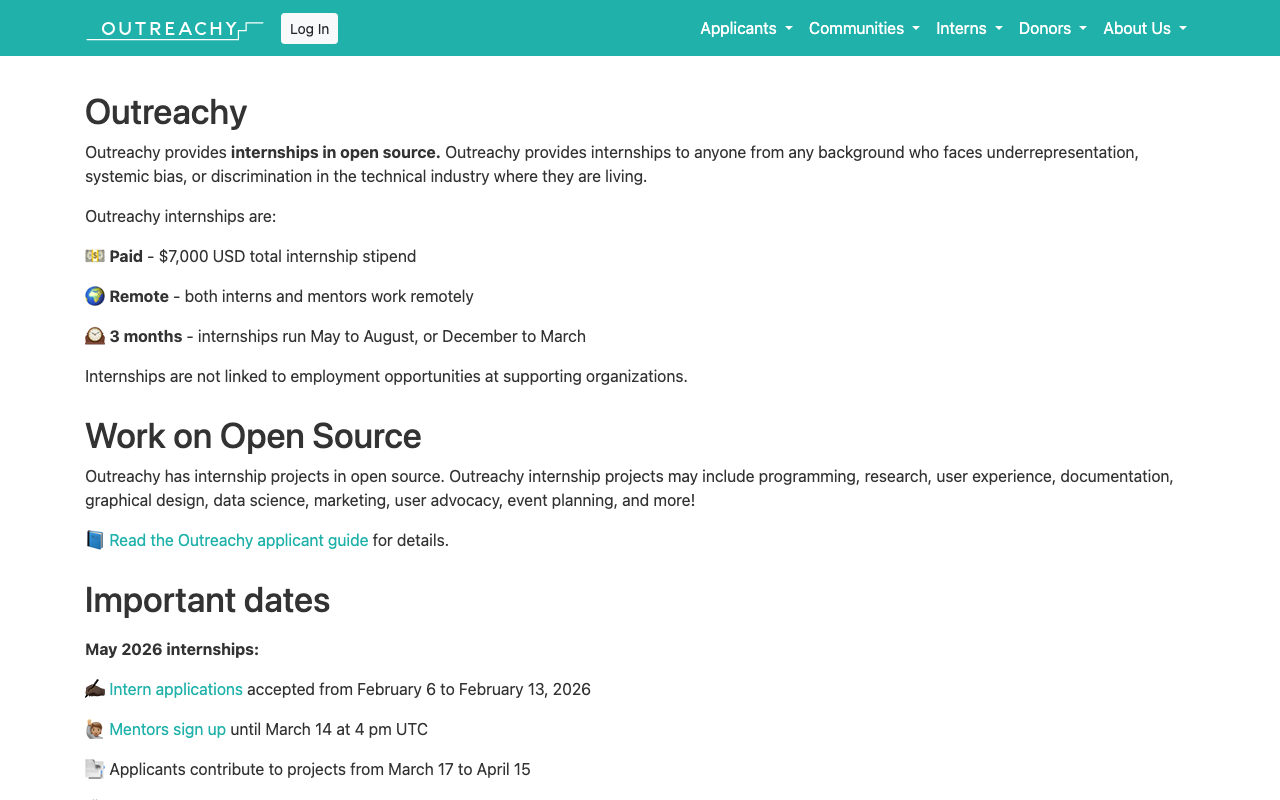
Stipend: $7,000 USD + $500 travel stipend. May 2026 Cohort: Initial applications Feb 6 – Feb 13 (4pm UTC), Internship May 18 – Aug 17. Dec 2026 cohort apps typically open ~Aug 2026. Eligibility: Open worldwide to anyone facing under-representation, systemic bias, or discrimination in tech. Must NOT be a past GSoC or Outreachy intern. Must be available 30 hrs/week. Duration: 3 months.
Stipend: $10,000 USD. Applications: Expected around Apr–May 2026. Eligibility: Early to mid-career software developers worldwide. Fully remote. Must work on curated open-source projects from the Processing ecosystem. Duration: 200 hours over 4 months. Focus: Software development contributions to Processing, p5.js, and p5.js editor.